
African wattle
Peltophorum africanum
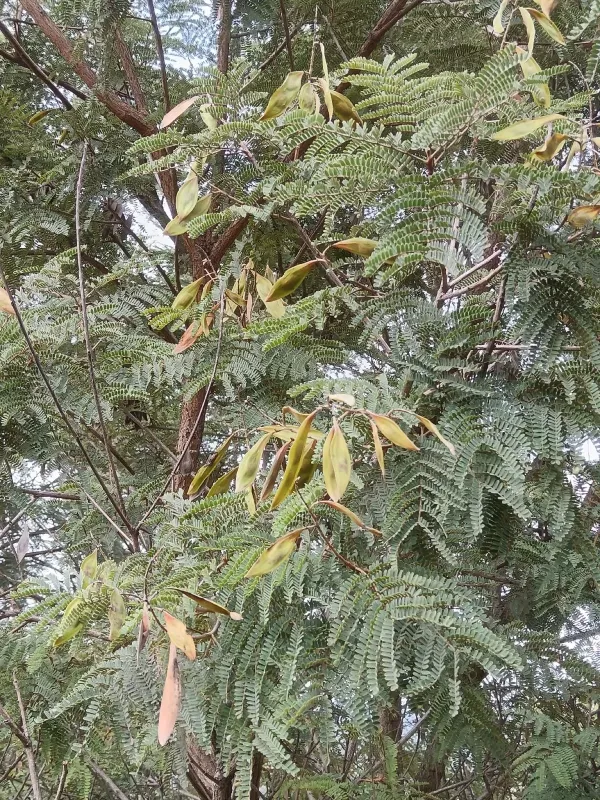
Description
Sowing dates
Peltophorum africanum is primarily propagated from seeds, which possess a hard seed coat that requires scarification or soaking in warm water to ensure uniform germination.
Seeds should be sown in a well-draining soil mix at a depth of about 1 centimeter, maintaining temperatures between 20°C and 25°C for optimal growth.
Young seedlings require consistent moisture in the early stages; however, once established, they demonstrate significant drought tolerance characteristic of the savanna environment.
Transplanting into the permanent site is most successful at the onset of the rainy season, allowing the root system to settle before the dry period begins.
Being a member of the Fabaceae family, this species relies on nitrogen-fixing bacteria to thrive, which is particularly beneficial when establishing plantations in nutrient-poor soils.
Growing requirements
This species is highly adapted to tropical and subtropical climates and thrives in areas with distinct dry and wet seasons, showing excellent resilience to heat.
While the tree can adapt to various soil types, it performs best in well-drained sandy or loamy soils where water does not accumulate during heavy rain events.
Full sun exposure is mandatory for healthy development, as shading inhibits its growth and significantly reduces the intensity of its yellow flowering display.
The plant requires moderate space for canopy spread, often reaching heights of up to 15 meters, making it a prominent element in rural or urban landscapes.
It displays remarkable drought resistance, which makes it a preferred species for agroforestry projects in arid and semi-arid regions requiring minimal irrigation.
Yield
The wood of the African wattle is highly valued for its durability, attractive grain, and density, making it suitable for furniture making, carvings, and general construction.
In rural economies, the tree serves as a vital fodder resource, with both leaves and seed pods providing essential nutrients to livestock during the dry season.
Its role as a nitrogen-fixing plant makes it an invaluable asset for soil restoration and improving the fertility of agricultural land in sustainable farming systems.
Beekeepers favor the species for its prolific, nectar-rich yellow flowers, which play a crucial role in maintaining local honey production throughout the flowering season.
Beyond economic utility, it serves as an effective windbreak and erosion control agent due to its deep and robust root system that stabilizes the surrounding soil.
Main diseases and pests
The species is generally resistant to major pests, but in nursery conditions, aphids and other sap-sucking insects may occasionally impact the growth of young plants.
Root rot remains the most significant threat to the plant, primarily occurring in areas with poor drainage or during periods of excessive soil saturation.
Fungal infections of the foliage are rare but can occur if the canopy density is too high, preventing adequate airflow and creating a humid microclimate.
Periodic maintenance, including the removal of dead or crossing branches, is recommended to preserve the overall health and vigor of the tree structure.
- Ensure adequate soil drainage.
- Maintain proper spacing between trees.
- Conduct regular sanitary pruning.