
Pectocarya heterocarpa
Pectocarya heterocarpa
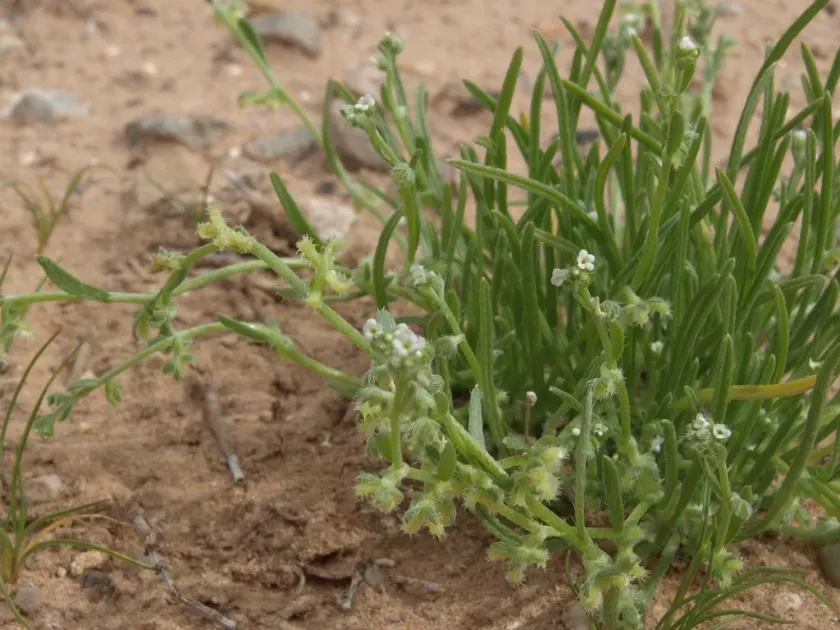
Description
Growing requirements
Pectocarya heterocarpa is an annual herbaceous plant species belonging to the Boraginaceae family. It is recognized primarily as a desert-adapted organism that plays a significant role in the botanical composition of arid environments across the Southwestern United States and parts of Mexico.
The native habitat of this plant consists of sandy substrates and gravelly washes within desert ecosystems. Due to its adaptation to harsh environments, the plant exhibits efficient water-use strategies, allowing it to complete its life cycle during brief periods of seasonal precipitation.
Botanically, Pectocarya heterocarpa is characterized by its distinct, heteromorphic nutlets, which provide a competitive advantage in seed dispersal. The plant typically reaches a small size, conserving energy while maximizing its reproductive output in nutrient-poor desert soils.
Agricultural requirements for this species are focused on soil drainage and high light intensity. It thrives in well-aerated, coarse-textured soils and cannot tolerate the waterlogging that often occurs in conventional high-input agricultural settings, as its root system is prone to decay.
The primary utility of this plant in modern agriculture lies in land reclamation and soil conservation. By stabilizing sandy surfaces, Pectocarya heterocarpa serves as a natural tool for preventing wind erosion in arid, degraded landscapes, supporting ecological restoration efforts.