
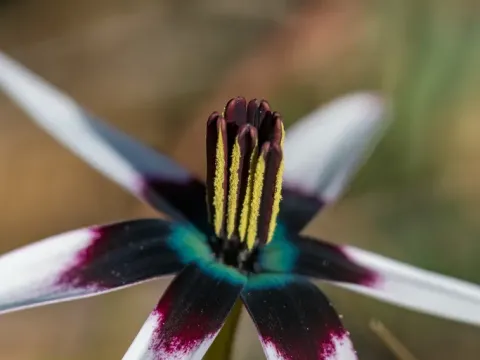
Pauridia
Pauridia
Pauridia is a genus of bulbous perennial plants within the Amaryllidaceae family. It is primarily appreciated for its ornamental value in gardens and collections, reflecting the diverse flora of its native South Africa.
What the section contains


Pauridia
Planting of the bulbs is generally conducted in the autumn season to align with the plant’s natural growth cycle. It is crucial to ensure the planting site has excellent drainage to prevent the bulbs from rotting in the soil.
The bulbs should be planted at a depth of 3 to 5 centimeters. Proper spacing is important to ensure that each bulb has enough space to develop its foliage and flowers during the growing season.
When cultivating in containers, use a well-draining soil mix supplemented with coarse sand or perlite. This substrate structure ensures adequate aeration, which is vital for the long-term health of the bulbs.
Propagation can be achieved through offsets (bulblets) separated during the dormant phase or via seeds. Seed germination requires a consistent moisture level and moderate temperatures, typically occurring after several weeks.
Pauridia thrives in full sun or bright, filtered light. Sufficient sunlight is essential to stimulate the production of flower stalks and to ensure the bulb develops enough energy reserves for the following season.
The plants require a climate characterized by distinct wet and dry periods. During the active growth phase, they need moderate moisture, whereas the summer dormancy period requires the soil to be kept relatively dry.
Temperature requirements are moderate, with optimal growth occurring between 15°C and 22°C. Exposure to frost should be avoided, as the plant is not frost-hardy and can suffer severe damage in freezing conditions.
Soil pH should ideally be neutral to slightly acidic. Heavy, compacted soils are unsuitable as they increase the risk of fungal diseases, which are the most common cause of failure in Pauridia cultivation.
Fertilizing should be done sparingly, using a balanced liquid fertilizer formulated for bulbous plants only during the active growth stage. Avoid over-fertilizing, as excess nitrogen can lead to soft growth and rot.
Fungal rots, particularly basal rot, represent the most significant threat to Pauridia. These pathogens are triggered by excessive soil moisture and poor ventilation, leading to the rapid decay of the bulb.
Pests such as mites and thrips may infest the foliage during the growth phase, especially in low-humidity environments. These pests can weaken the plant and serve as vectors for viral infections.
Bulb mites can cause significant damage to the storage organs, making the plants stunted and less likely to flower. Regular inspection of bulbs during the dormant season is a necessary preventive measure.
To minimize disease risks, it is essential to maintain clean gardening practices, including the sterilization of tools and the use of sterile planting media for container-grown specimens.
If an infestation or disease is detected, affected plants should be isolated immediately to prevent the spread to healthy specimens, and appropriate fungicidal or insecticidal treatments should be applied.
The harvesting of Pauridia bulbs is performed after the foliage has naturally yellowed and withered, indicating that the plant has entered its dormant stage and nutrients have returned to the bulb.
After lifting the bulbs from the soil, they should be cleaned of excess dirt and debris. Any damaged bulbs should be discarded to prevent the spread of decay during the storage phase.
Drying should take place in a cool, shaded, and well-ventilated area for several days. This hardening process helps the outer scales of the bulb to dry, providing protection against dehydration and infection.
Store the cleaned bulbs in breathable containers, such as mesh bags or wooden crates, in a cool and dry location. Ideal storage temperatures range from 10°C to 15°C to maintain viability.
Periodic checks during the storage period are recommended to identify and remove any bulbs that may have softened or shown signs of mold, thereby protecting the overall health of the collection.