
Pauridia longituba
Pauridia longituba
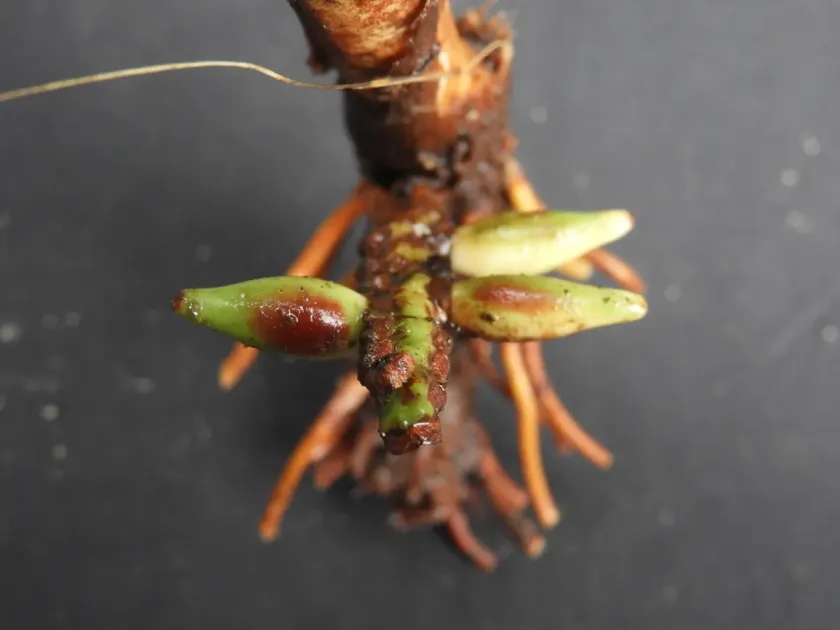
Description
Growing requirements
Pauridia longituba is a perennial bulbous plant belonging to the Hypoxidaceae family. Originating from the unique floral regions of Southern Africa, it is highly adapted to specific rainfall patterns and soil types characteristic of that geographical zone.
Botanically, the species is distinguished by its characteristic long floral tube and narrow, grass-like leaves emerging from a subterranean bulb. These morphological features reflect the plant's evolutionary adaptation to survive periods of intense drought by storing energy and moisture within the bulb.
Successful cultivation requires soil that mimics the plant's natural habitat: well-drained, porous, and nutrient-balanced. A substrate consisting of sandy loam or a specialized bulb mix is highly recommended to prevent the risk of water retention, which is fatal for many geophytes.
In terms of environmental conditions, Pauridia longituba thrives in bright, indirect light or full sun depending on the ambient temperature. Maintaining a proper temperature gradient is essential for triggering the blooming cycle and ensuring the healthy development of the floral structures.
The primary use of this species lies in ornamental horticulture and botanical research. It is particularly valued by collectors of South African flora for its architectural beauty and the distinct aesthetic of its tubular flowers, making it a sought-after species for specialized indoor and outdoor bulb gardens.
Main diseases and pests
The most common threats include fungal infections such as bulb rot or Fusarium wilt, which typically occur due to excessive irrigation. Additionally, in indoor or greenhouse settings, spider mites and aphids can pose a significant challenge to the health of the foliage, necessitating vigilant monitoring and preventative care.