
Pauridia aquatica
Pauridia aquatica
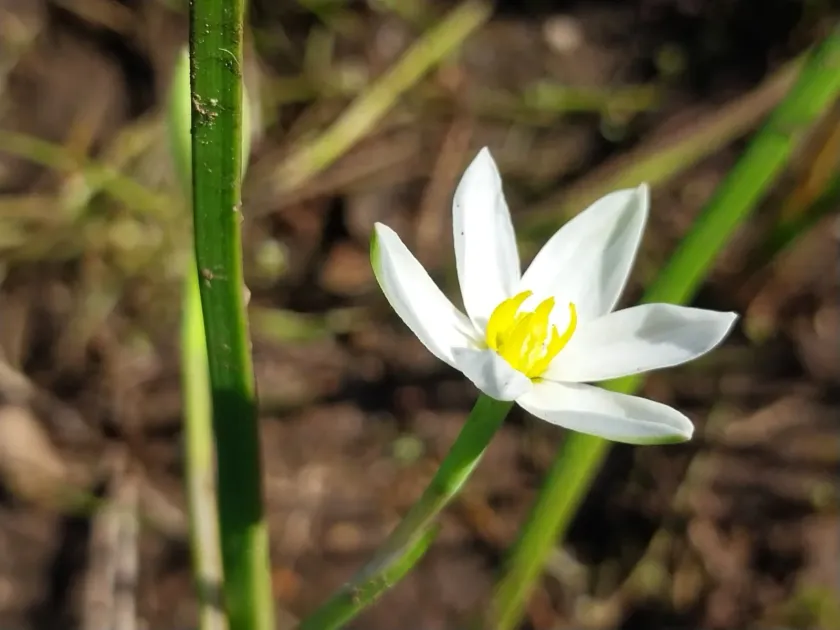
Description
Growing requirements
Pauridia aquatica belongs to the Amaryllidaceae family and is recognized as a specialized aquatic plant. Its morphology is adapted to survive in saturated soils or shallow freshwater habitats, which defines its distinct growth strategy.
The species originates from Southern Africa, where it inhabits specific wetlands. It has evolved to thrive in environments that undergo periodic flooding, making it a robust candidate for controlled aquatic gardening and ornamental cultivation.
Optimal growth requires a nutrient-rich, slightly acidic to neutral substrate. The plant relies heavily on the availability of dissolved minerals in the water, which must be consistently monitored to prevent nutrient deficiencies during rapid growth phases.
Light exposure is a primary factor in the development of Pauridia aquatica. While it enjoys high levels of light, it is best suited to bright, filtered conditions to prevent thermal stress and the growth of invasive algae in its immediate vicinity.
Temperature management is crucial, as this plant thrives best within a narrow range of 18°C to 25°C. Stability is essential, as significant fluctuations can interrupt the plant's metabolic processes and reduce its overall vitality.
Harvesting
Harvesting Pauridia aquatica for commercial or hobbyist purposes involves careful extraction of the plants from their aquatic medium. Due to the delicacy of the root system, manual harvesting methods are strictly required to maintain plant integrity.
The collection process is typically performed during the peak growth season, ensuring that the specimens possess sufficient energy reserves for successful re-establishment. Care must be taken not to damage the rhizome or the growing points.
Post-harvest procedures include cleaning the plants of excess debris and inspecting them for any signs of decay. Only healthy, robust plants are selected for distribution, ensuring that the client receives viable material.
Packaging for logistics is designed to maintain high humidity levels without encouraging mold growth. Moisture-retentive materials are used to wrap the roots, allowing the plant to remain hydrated while preventing suffocation during shipment.
Successful management of the post-harvest period often involves a brief acclimatization phase in a controlled environment to ensure the plant is ready for transition into its new aquatic home or display container.