
Rigid sea grass
Parapholis strigosa
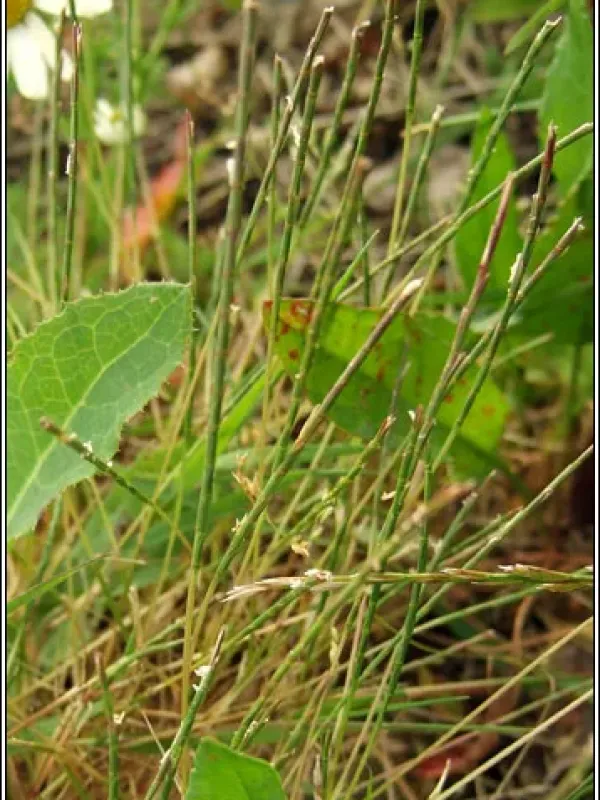
Description
Growing requirements
Rigid sea grass (Parapholis strigosa) is an annual grass species belonging to the Poaceae family, recognized for its exceptional adaptation to saline environments.
As a notable halophyte, this crop thrives in coastal regions, salt marshes, and areas where high salinity levels inhibit the growth of standard agricultural forage species.
The plant originates from the coastal zones of the Mediterranean and Atlantic, where it plays a critical role in soil stabilization and coastal erosion protection.
Rigid sea grass requires open, sun-exposed habitats and possesses a high tolerance to temporary flooding, including immersion in brackish or saline water during storm surges.
Soil requirements focus on sandy or silty substrates with high mineral content; however, the plant demonstrates remarkable resilience to fluctuations in moisture and nutrient availability.
Yield
The primary agricultural use of rigid sea grass is as a grazing resource in saline pastures, providing vital nutrition for livestock in marginal, salty environments.
The forage value of the plant is highest during the early vegetative stage, offering a sustainable food source for ruminants where other cultivated grasses fail to establish.
Beyond its grazing value, the plant is increasingly valued in land management for the reclamation of degraded lands affected by soil salinization due to improper irrigation practices.
The biomass yield is significantly influenced by seasonal weather patterns, particularly rainfall distribution, which determines the vegetative vigor of the crop during the spring season.
Strategic grazing management is recommended to maintain the persistence of these pastures, ensuring that the grass can complete its life cycle and set seeds for future renewal.
Main diseases and pests
Due to its specialized evolutionary niche in harsh, salty conditions, rigid sea grass maintains a high level of natural resistance to many common cereal and grass pathogens.
Potential threats include fungal infections that may arise during periods of prolonged waterlogging, which can affect the root systems and limit biomass production.
Insects and common grass pests typically avoid this species due to the tough, fibrous nature of the foliage, which is characteristic of many salt-tolerant grasses.
Competition from more aggressive invasive weed species is the main risk in areas where natural salt balance is disrupted or where human activity alters the soil composition.
Effective management includes monitoring pasture density and preventing overgrazing, which allows the plant to maintain a competitive advantage over invasive opportunistic plants.