
Parapholis filiformis
Parapholis filiformis
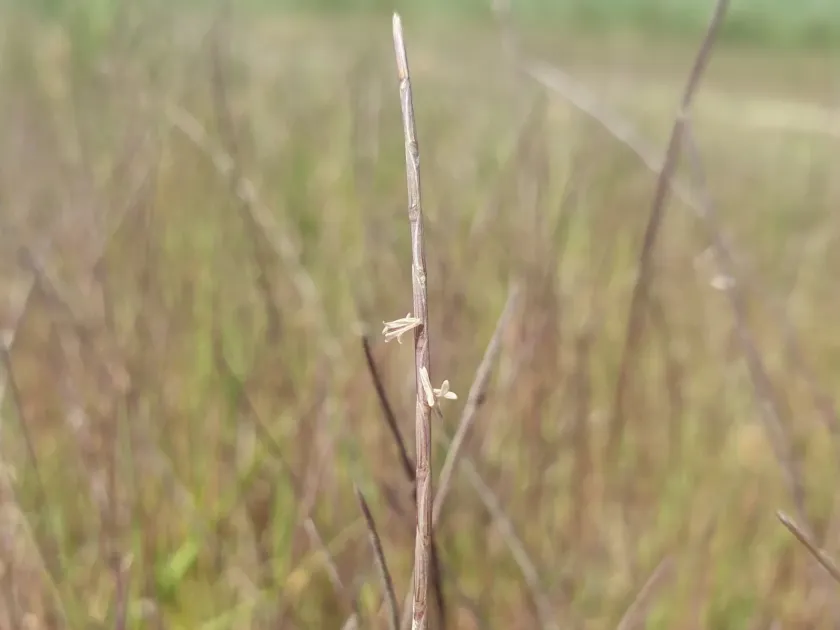
Description
Growing requirements
Parapholis filiformis, commonly known as a type of thintail or sicklegrass, belongs to the Poaceae family. This annual plant is highly specialized for habitats with saline conditions, typically found in coastal regions and salt marshes.
The plant demonstrates excellent adaptation to high salinity levels in the soil, which is a major limiting factor for traditional cereal crops. It thrives in open, sunny environments where it can utilize direct light for rapid biomass accumulation.
Botanically, it features slender, filiform stems and narrow leaves designed to minimize water loss. Its root system is shallow but highly efficient at extracting nutrients from sandy or alkaline substrate types.
The ideal climate for this species is maritime, characterized by moderate temperatures and relatively high humidity. It is sensitive to soil compaction and requires well-aerated conditions to support its development during the early growth stages.
Agrotechnical management focuses on soil preparation that preserves natural drainage. Given its role as a potential pioneer plant, it requires minimal inputs, provided that the salinity levels are within the range that supports germination.
Main diseases and pests
Fungal pathogens are the primary biological threat, particularly during periods of excessive rainfall. Leaf spot diseases can compromise the photosynthetic surface area if the plant canopy remains damp for extended periods.
Pest pressure primarily comes from various aphids and grass-feeding insects that target the soft stems. Careful field observation is necessary to determine if populations reach economic damage thresholds during peak growth.
Weed competition is only significant during the establishment phase of the crop. Once the plant has established a robust canopy, it effectively suppresses competing vegetation through rapid growth and density.
Environmental stress, such as extreme cold during the winter months, can reduce seed bank viability. However, the species has a natural mechanism of dormancy that helps it persist through adverse seasonal conditions.
Sustainable agricultural practices involving controlled grazing or biomass harvesting help maintain the health of the plant population. Avoiding excessive nitrogen fertilization is crucial to prevent the stimulation of secondary infections.