
Bougainvillea glabra
Bougainvillea glabra Choisy
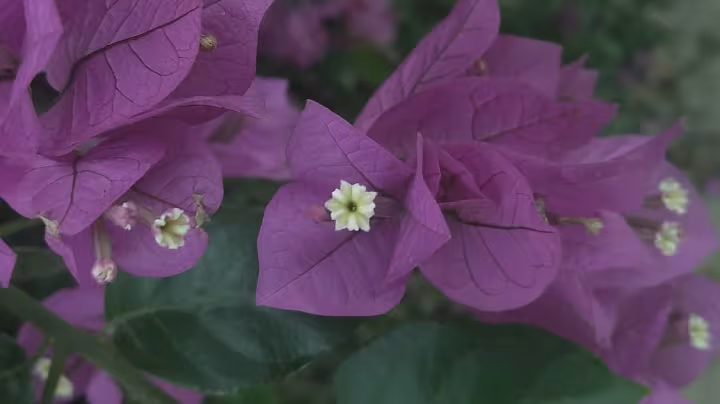
Description
Growing requirements
Bougainvillea glabra is a vigorous, evergreen climbing plant belonging to the Nyctaginaceae family. It is native to the tropical regions of Brazil and is widely adapted to warm climates with distinct seasonal rainfall patterns.
The plant requires high levels of solar irradiance for optimal growth and flowering. It is sensitive to cold temperatures and must be protected from frost, as temperatures below 10°C can cause significant stress or death of the specimen.
Successful cultivation depends on a well-drained, nutrient-rich soil medium with a slightly acidic to neutral pH. Proper soil aeration is essential to prevent root asphyxiation, which is a common failure point in greenhouse management.
Agricultural techniques involve a strict irrigation schedule: soil should be allowed to dry out slightly between waterings, especially during the dormant season, to encourage floral development and prevent excessive vegetative growth.
The plant is extensively utilized in landscaping for its ornamental bracts, serving as a primary component in Mediterranean-style gardens, vertical landscape structures, and as a popular choice for high-end container gardening.
Main diseases and pests
Common pests affecting Bougainvillea glabra include spider mites, aphids, mealybugs, and scale insects. These pests often proliferate in environments with poor air circulation and low relative humidity.
Fungal pathogens such as root rot (Phytophthora spp.) are prevalent in overly saturated environments. Maintaining proper drainage and hygiene during cultivation is the primary method of disease prevention.
Nutrient deficiencies, particularly chlorosis caused by iron or magnesium imbalance, should be managed with chelated micronutrient fertilizers applied according to the soil analysis results.
Regular sanitation, including the removal of dead or crossing branches, is necessary to improve airflow within the canopy, which effectively reduces the risk of fungal outbreaks in dense plantings.
Integrated pest management (IPM) practices should be implemented to monitor for initial infestations. Early detection is crucial, as the waxy texture of the plant's leaves can sometimes complicate the application of contact pesticides.