
Bougainvillea
Bougainvillea spectabilis x Bougainvillea peruviana
Description
Growing requirements
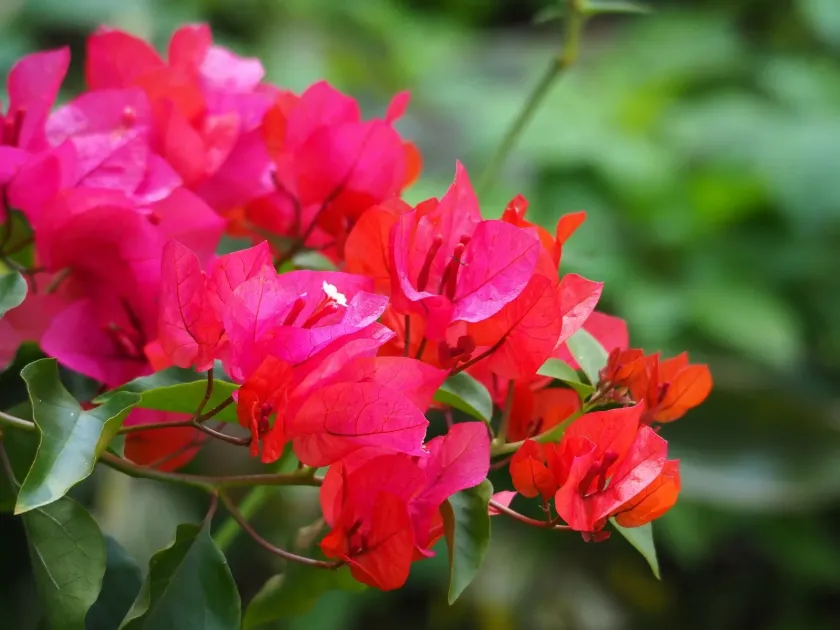
Bougainvillea (Bougainvillea spectabilis x Bougainvillea peruviana) is a perennial, evergreen vine belonging to the Nyctaginaceae family. Originally from the tropical regions of South America, it thrives in warm climates characterized by intense direct sunlight and high light levels.
To ensure optimal growth, the crop requires temperatures consistently above +15°C. In regions prone to frost, the plant is typically grown in pots or containers, allowing it to be moved into greenhouses or indoor spaces during colder months to prevent cold damage or plant death.
The substrate should be well-draining, nutrient-rich, and slightly acidic, with a pH ranging from 5.5 to 6.5. Good aeration is essential for the root system, as Bougainvillea is highly susceptible to root rot if the soil remains waterlogged for extended periods.
Cultivation practices involve a careful watering regime that allows the soil to dry out slightly between waterings. Regular fertilization using high-potassium feeds is recommended during the peak growing season to encourage the development of vibrant, papery bracts which are often mistaken for flowers.
Horticulturally, Bougainvillea is valued for its versatility in landscape architecture, often trained on trellises, fences, and walls. Its high tolerance for pruning makes it a popular choice for bonsai culture as well as for formal decorative displays in tropical public spaces and residential gardens.
Main diseases and pests
Common pests affecting the crop include spider mites, aphids, and mealybugs, which tend to infest the soft growth of the plant. Integrated pest management strategies, such as mechanical removal or the application of insecticidal soaps, are generally effective in controlling these outbreaks.
Fungal issues, such as root rot and leaf spot, often arise from poor air circulation or over-watering. Maintaining a balanced watering schedule and providing ample space between plants for airflow are critical practices to mitigate the risk of these common agricultural threats.