
Bougainvillea
Bougainvillea spectabilis x Bougainvillea glabra
Description
Growing requirements
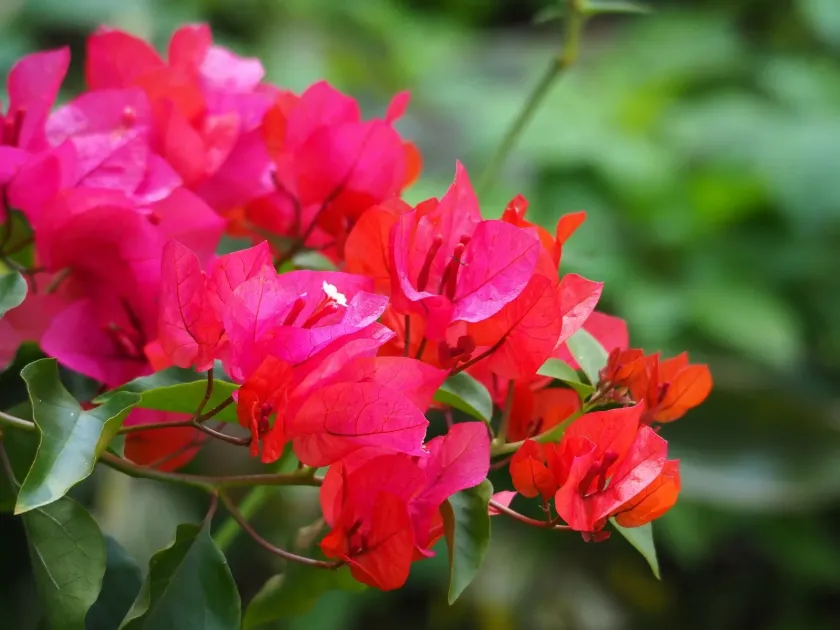
Bougainvillea (Bougainvillea spectabilis x Bougainvillea glabra) is a prominent woody vine member of the Nyctaginaceae family. Originally native to tropical Brazil, this plant is now widely cultivated across subtropical and tropical zones for its striking ornamental value.
Agronomic success relies heavily on high light intensity. Being a heliophilous species, it requires at least six hours of direct sunlight daily to facilitate optimal photosynthetic activity and the development of vibrant bracts that surround the inconspicuous true flowers.
The preferred soil profile is a well-draining, slightly acidic medium with high organic matter content. Root rot is a significant risk in heavy, waterlogged soils, making proper drainage design in both pots and field plantings a non-negotiable requirement for sustainable growth.
Climate control is essential for this culture, as it cannot withstand frost. In temperate regions, it is grown in controlled greenhouse environments, where temperature fluctuations are minimized to prevent stress-induced leaf drop or growth retardation.
Management practices include specific pruning techniques performed after the flowering flush. This ensures the removal of exhausted wood and stimulates the development of new, vigorous flowering shoots for the subsequent season, thus maintaining the plant's decorative structure.
Main diseases and pests
The most common pests affecting Bougainvillea in commercial settings are aphids, spider mites, and mealybugs. These sap-sucking insects deplete the plant's resources and can facilitate the spread of secondary viral or fungal infections if left untreated.
Fungal pathogens such as Rhizoctonia and Pythium species are prevalent when high humidity coincides with inadequate air circulation. These pathogens typically attack the root system, causing rapid decline in plant vitality and eventual mortality.
Integrated Pest Management (IPM) strategies are recommended to maintain plant health. This includes the use of biological controls, regular monitoring, and the judicious application of targeted pesticides only when thresholds are exceeded.
Environmental stress, particularly suboptimal watering schedules, often leads to physiological issues like leaf yellowing or bud blast. Consistent soil moisture management is the most effective deterrent against these physiological disorders.
Strict quarantine measures for new plant introductions are crucial to preventing the colonization of pests in greenhouse environments, ensuring the long-term productivity and quality of the stock.