
Pachyphytum machucae
Pachyphytum machucae
Description
Growing requirements
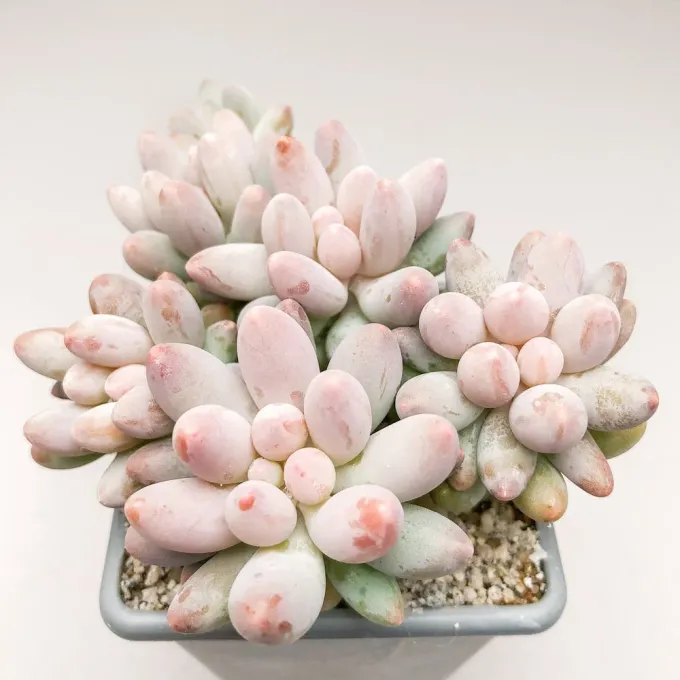
Pachyphytum machucae is a perennial succulent species belonging to the Crassulaceae family. It is prized in decorative horticulture for its thick, succulent leaves that arrange themselves into dense, aesthetic rosettes.
The native habitat of this plant is located in the arid, rocky regions of Mexico. This geographical origin dictates its physiological adaptations, such as high water-storage capacity and tolerance for temperature fluctuations throughout the day.
Successful cultivation requires high levels of light exposure. Without sufficient sunlight, the plant will etiolate, losing its compact structure and becoming susceptible to various physiological disorders and weakness.
The substrate must be highly inorganic and porous. A mixture consisting of coarse sand, pumice, or expanded clay is recommended to ensure rapid drainage, as the roots are extremely sensitive to stagnation and moisture accumulation.
Temperature management is vital, especially during the dormant season. Maintaining cool, dry conditions during winter helps to stabilize the plant's metabolism and encourages the development of flowering spikes in the spring.
Main diseases and pests
Root rot is the most significant threat to the survival of Pachyphytum machucae. It is caused primarily by over-irrigation or the use of heavy, water-retentive soil mixes that prevent the roots from drying out properly.
Mealybugs are the most common pests associated with this species. They tend to hide in the tight spaces between leaves, making them difficult to detect until the plant starts showing signs of damage or yellowing.
Aphids can also occasionally infest the inflorescences during the blooming period. They feed on the sap and can spread viral diseases, which necessitates prompt removal and treatment with appropriate systemic insecticides.
Fungal infections can occur if there is high humidity combined with poor air circulation. Providing adequate space between plants and ensuring good airflow is essential to prevent the spread of fungal spores in a greenhouse environment.
- Monitoring for early signs of mealybug infestation.
- Ensuring total dryness of the soil before irrigation.
- Removing dead leaves to prevent rot accumulation.