
Pachyphytum compactum
Pachyphytum compactum
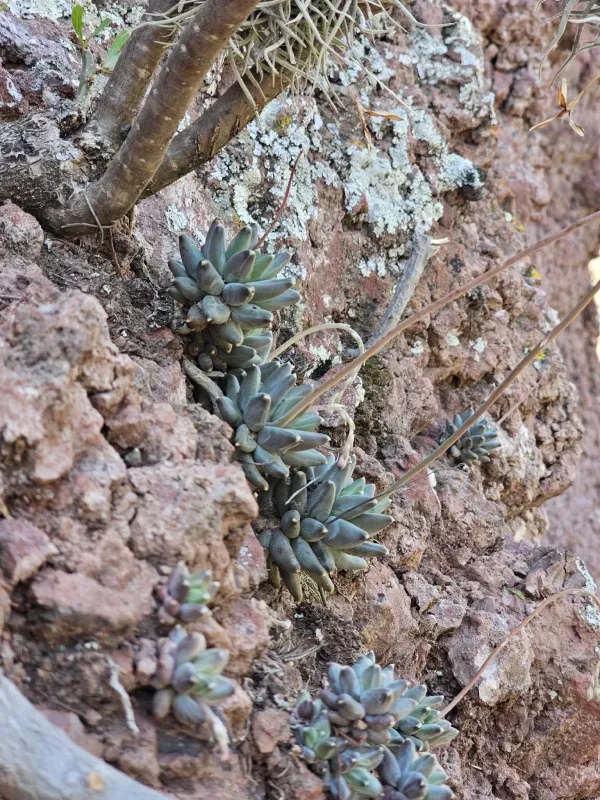
Description
Growing requirements
Pachyphytum compactum is a distinct succulent species belonging to the Crassulaceae family, native to the rocky, mountainous regions of Mexico. It is highly valued in the nursery industry for its geometric leaf structure and architectural appearance.
The plant features short, cylindrical leaves with distinct facets, densely arranged in a rosette. These leaves are typically covered in a glaucous, powdery bloom that acts as a natural sunblock against high-intensity ultraviolet radiation in its arid habitat.
Agricultural success with this species depends on providing a fast-draining, mineral-heavy substrate. A mix consisting of grit, coarse sand, and a small percentage of organic compost is recommended to prevent water logging, which is the primary cause of root failure.
Light intensity is critical for maintaining the plant's characteristic compact habit. It requires several hours of direct morning or filtered afternoon sunlight to develop its intense coloration and maintain the tight cluster of leaves that defines its aesthetic value.
During the growing season, temperatures between 20°C and 25°C are ideal. However, a cooling period during winter, with temperatures dropping to around 10°C, is essential for stimulating the formation of floral stalks and maintaining the plant's biological vigor.
Main diseases and pests
The most common pest affecting Pachyphytum compactum is the mealybug, which tends to congregate in the tight spaces between the succulent leaves. Monitoring the base of the rosette is crucial, as pests can go unnoticed until significant damage is done.
Root rot is the most common physiological disorder caused by improper irrigation. Overwatering prevents aeration of the root system, leading to rapid decay of the fleshy roots. The substrate must be allowed to dry completely between watering sessions.
Fungal infections can occur if the plant is kept in an environment with high humidity and poor air circulation. Symptoms include darkened, mushy tissue on the leaves or stem, which requires the removal of the affected area and the application of a systemic fungicide.
Spider mites are potential threats in dry indoor environments. These pests cause discoloration and stippling on the leaves. Maintaining proper air flow and humidity levels is the best cultural practice to prevent outbreaks of these tiny pests.
Effective management also involves keeping the foliage dry. Water should be applied directly to the soil, avoiding the leaves to preserve the delicate farina wax coating, which is both a decorative asset and a functional barrier against moisture-borne pathogens.