
Pachyphytum hybrids
Pachyphytum hybrids
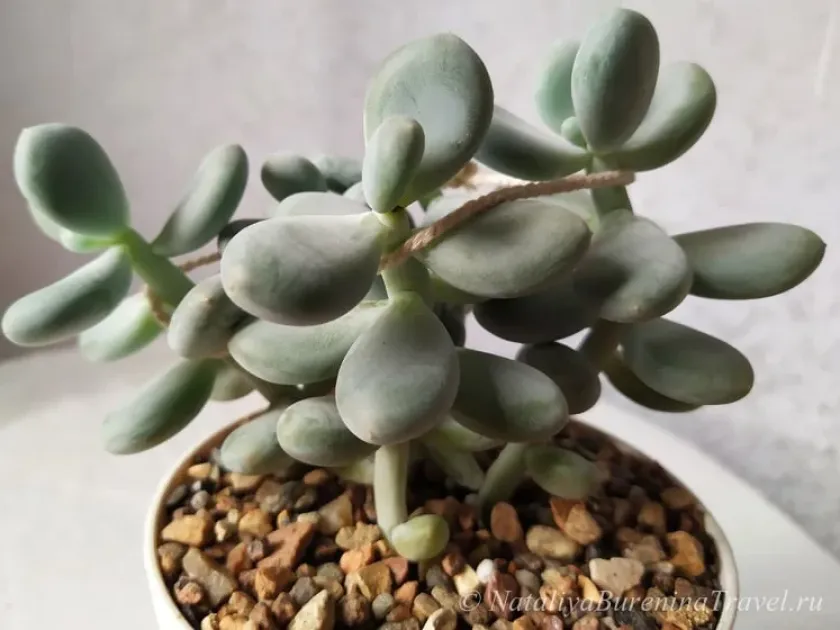
Description
Sowing dates
Pachyphytum hybrids are primarily propagated through vegetative methods, ensuring the preservation of desirable hybrid characteristics. Cuttings are the most efficient way to multiply these succulents during the active growing season.
Stem cuttings should be allowed to callous in a dry, shaded area for several days before being planted into a well-draining substrate. This technique significantly reduces the risk of tissue rot.
Leaf propagation is another viable method for Pachyphytum. By placing a healthy leaf on top of slightly moist sand, new plantlets will emerge from the base within a few weeks under stable conditions.
Seeds may be used for propagation, though they require a longer period of care. They should be sown on a fine, sandy medium and kept consistently warm and humid until germination occurs.
Young plants obtained through propagation require a period of adaptation. Once the root system is established, they can be transferred to standard succulent-grade soil mixes.
Growing requirements
Pachyphytum hybrids belong to the Crassulaceae family. These plants are native to the rocky, arid environments of Mexico, which dictates their high requirements for light and drainage.
To thrive, these plants need bright, indirect sunlight. While they can tolerate some direct sun, intense afternoon heat can scorch their leaves, so filtered light is often preferred for optimal growth.
The soil must be highly porous. A mixture consisting of cactus soil, coarse sand, and perlite is ideal, ensuring that moisture does not accumulate around the roots for extended periods.
Temperature management is crucial: Pachyphytum prefers a warm climate during the day, between 20°C and 25°C. A winter rest period with cooler temperatures helps maintain the plant's structural integrity.
Watering should be deep but infrequent. It is essential to let the soil dry out completely between waterings to prevent the succulent leaves from becoming mushy and vulnerable to pathogens.
Main diseases and pests
Root rot is the most significant threat to Pachyphytum hybrids, usually caused by overwatering or poor drainage. Infected plants often show yellowing and softening of the lower leaves.
Mealybugs are common pests that hide in the tight rosettes of the plant. They weaken the succulent by extracting sap, necessitating the use of targeted insecticidal soaps or manual removal.
Spider mites can occur in excessively dry indoor environments. These microscopic pests create fine webbing and cause localized damage to the epidermis of the thick, fleshy leaves.
Fungal infections can also occur due to poor air circulation and excessive humidity. Maintaining a dry foliage environment is the best preventative measure against these types of diseases.
- Monitor plants weekly for signs of infestation.
- Avoid getting water on the leaves during irrigation.
- Use sterilized soil to prevent soil-borne pathogens.
- Maintain good spacing between plants to improve airflow.