
Orthocarpus luteus
Orthocarpus luteus
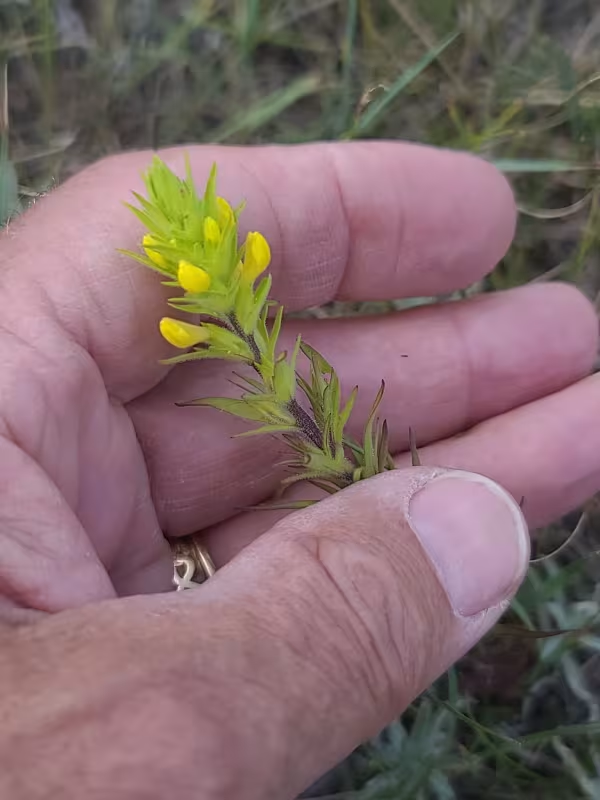
Description
Growing requirements
Orthocarpus luteus, commonly known as yellow owl's clover, is a member of the Orobanchaceae family. This annual herb is biologically classified as a hemiparasite, meaning it derives some of its nutrition from the roots of host plants while performing its own photosynthesis.
The plant is native to western North America, typically found in diverse grassland habitats and prairie ecosystems. Its distribution is closely linked to the presence of host species, which are essential for its full physiological development and reproductive success.
Agricultural requirements for this species include well-drained soil with a neutral to slightly acidic pH. Sunlight is a critical factor, as Orthocarpus luteus thrives in open, non-shaded areas where it can compete effectively with local grasses.
Climate adaptability is limited to temperate zones with distinct seasonal patterns. The species relies on a consistent growing season length to complete its lifecycle from germination to seed production before the onset of extreme temperatures.
Regarding its use, it is not grown as a commercial crop but serves a significant role in ecological restoration and habitat conservation. Botanists and researchers cultivate it to study plant-parasite interactions and to maintain biodiversity within protected grassland reserves.
Main diseases and pests
Common threats to Orthocarpus luteus include fungal pathogens that flourish in damp, overcrowded environments. Root rot and leaf spotting are the primary concerns for growers, especially when air circulation around the plants is inadequate.
Insects that target the inflorescence are the most damaging pests. These pests feed on developing seed pods, significantly reducing the viability of future plant generations and impeding natural spread in wild or managed populations.
Soil-borne nematodes pose a secondary threat by damaging the root system. Since the plant relies on its roots to establish connections with a host, root damage can effectively starve the plant, leading to stunted growth or premature mortality.
Pest management is best achieved through cultural practices rather than chemical interventions. Maintaining proper spacing between plants ensures that the foliage dries quickly after rain, which prevents the establishment of many pathogenic fungal spores.
Monitoring for signs of infestation is crucial during the flowering stage. Early detection allows for the manual removal of affected stems, which helps protect the overall health of the colony and prevents the rapid spread of infections across the site.