
Orthocarpus attenuatus
Orthocarpus attenuatus
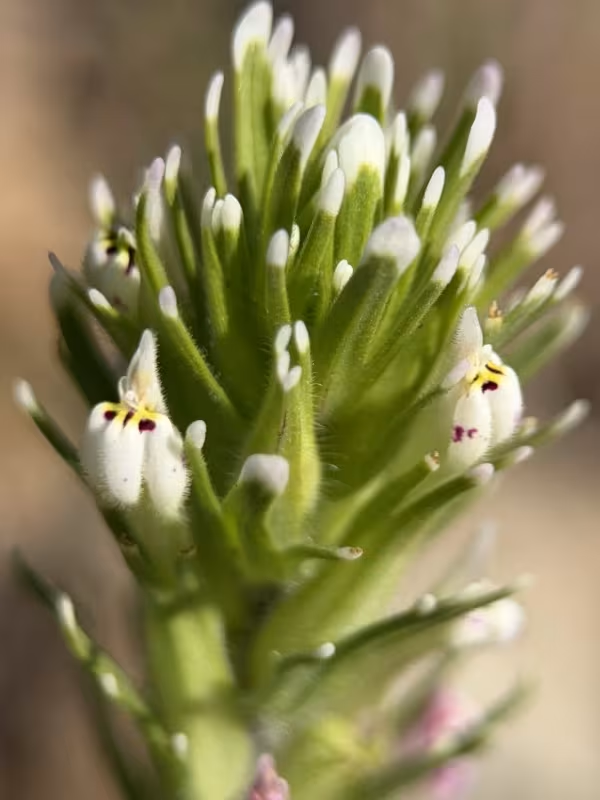
Description
Sowing dates
Orthocarpus attenuatus, commonly known as valley tassels, is an annual herb that typically requires an autumn sowing window to ensure natural seed stratification.
The optimal planting time coincides with the start of the rainy season, providing the necessary moisture levels for successful seed germination and root establishment.
For spring sowing attempts, supplementary irrigation and controlled temperatures are essential to simulate the natural cooling cycle the seeds require.
Minimal soil disturbance techniques are recommended during sowing to protect the natural soil biota and maintain sufficient moisture levels in the root zone.
Seeding rates should be adjusted based on the specific ecological goals, whether for rangeland restoration or inclusion in diverse pastoral forage mixtures.
Growing requirements
As a member of the Orobanchaceae family, Orthocarpus attenuatus is recognized as a hemiparasitic plant that interacts with the roots of host species for nutrition.
The plant thrives in well-drained loamy or sandy soils, showing a strong aversion to waterlogged conditions which can lead to rapid root degradation.
Its climatic requirements align with Mediterranean-type ecosystems, characterized by cool, wet winters followed by dry, warm springs and summers.
Orthocarpus has low nutrient requirements, as its parasitic mechanism enables it to thrive in poor soil conditions by leveraging the host's existing nutrient uptake.
The presence of compatible host plants is a fundamental requirement for its physiological success and long-term viability within a given agricultural area.
Main diseases and pests
Fungal pathogens, particularly those thriving in high humidity, represent a significant threat to the vegetative health and overall stand density of the crop.
Pest pressures from insects like aphids or various larval species can impede growth during the critical early stages of development and flowering.
Strong competition from invasive weed species can quickly outcompete Orthocarpus for essential sunlight and physical space, suppressing its population.
Erratic weather patterns, specifically unseasonal droughts during the flowering stage, can drastically reduce seed production and future stand recruitment.
Integrated pest management strategies focusing on early detection and host plant protection are necessary to maintain healthy and productive populations.