
Cocona
Solanum sessiliflorum Dunal
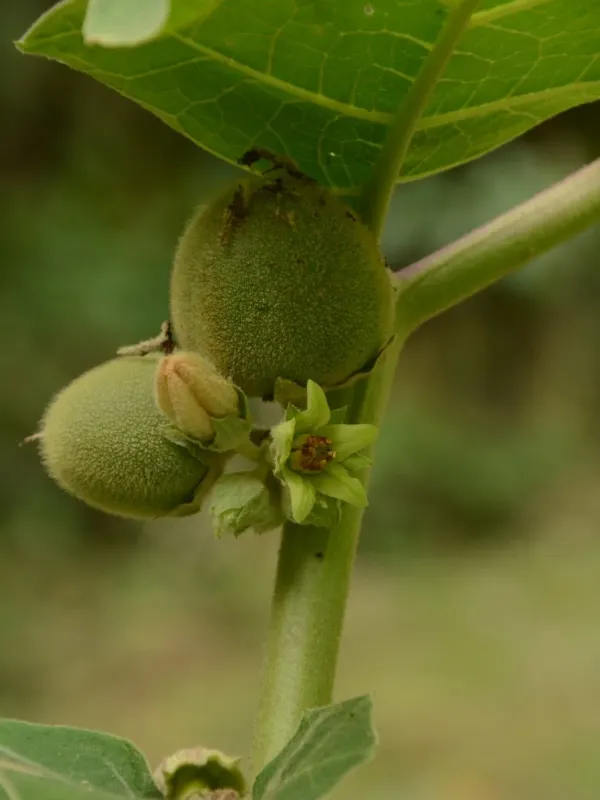
Description
Sowing dates
Cocona is a perennial shrub in the Solanaceae family that is most commonly grown as an annual or short-lived crop in tropical environments. Propagation by seed is the primary method for establishing plantations.
Seeds are sown in nursery trays or cassettes filled with nutrient-rich substrate, maintaining a soil temperature of 25–28 degrees Celsius to ensure successful stratification and germination.
Seedlings typically emerge within 2–4 weeks after sowing. Pricking out is performed when the plants reach the 2–3 true leaf stage to encourage robust root system development before transplanting.
Transplanting into the open field should only occur once the risk of frost has passed, as the plant is highly sensitive to low temperatures and does not tolerate cold soil.
The optimal planting density is 1.5 by 1.5 meters, which provides sufficient space for the shrub to develop a healthy canopy and ensures adequate air circulation.
Growing requirements
Native to the humid tropical forests of the Amazon basin, this plant requires high humidity levels and a consistently warm climate without drastic temperature fluctuations.
Cocona prefers fertile, well-draining loamy soils with high organic matter content and a slightly acidic soil pH ranging from 5.5 to 6.5.
The crop requires regular irrigation, especially during flowering and fruit development, though waterlogging must be strictly avoided to prevent root rot diseases.
While the plant thrives in intense sunlight, light shading during peak midday heat is beneficial in regions with extremely high temperatures to prevent leaf scorch.
Regular application of balanced NPK fertilizers, supplemented with mulch around the base of the plant, helps maintain soil moisture and provides essential nutrients for growth.
Yield
The first harvest can typically be expected about 9 months after sowing, making cocona a relatively fast-maturing crop within the tropical Solanaceae category.
The fruits are large berries ranging from spherical to ovoid shapes, with individual weights varying between 50 and 250 grams depending on cultivation conditions.
During peak production, a healthy adult shrub can yield between 10 and 20 kilograms of succulent fruit, which is highly valued for its nutritional profile.
Yield depends significantly on the consistency of fertilization and the quality of pollination, which is naturally achieved by insects but may require management in large-scale operations.
Harvesting is performed in stages as the fruit reaches its characteristic yellow, orange, or red color, while extreme care must be taken to avoid mechanical damage to the skin.
Main diseases and pests
Fusarium wilt is considered the most significant disease affecting cocona, as it attacks the plant's vascular system and often results in rapid mortality.
Common pests such as aphids and whiteflies cause extensive damage by feeding on young foliage and acting as vectors for various viral infections.
In conditions of high humidity, the plants are susceptible to late blight, necessitating regular preventive maintenance using copper-based fungicides.
Soil-borne nematodes pose a severe threat to the root system, undermining the overall vigor of the crop and significantly reducing the total harvestable yield.
- Effective weed management.
- Strict crop rotation schedules.
- Use of high-quality disease-free planting material.
- Monitoring soil moisture levels.
Harvesting
Harvesting cocona must be done manually because the fruits are extremely delicate and prone to bruising or damage if handled with heavy machinery.
Maturity is indicated by a distinct change in skin color and the development of a strong, characteristic aroma that signals the fruit is ready for picking.
Post-harvest, fruits should be kept in a cool environment, though they do not tolerate long-distance transport well due to their thin skins and high water content.
A significant portion of the harvest is usually destined for processing into jams, sauces, and beverages, given that the fresh shelf life is typically limited to a few days.
When picking, it is recommended to retain a portion of the stem if short-term storage is intended, as this helps prevent sap leakage at the point of attachment.