
Makuwa melon
Cucumis melo L. var. makuwa Makino
Description
Sowing dates
Makuwa melon requires warm soil, ideally above 15–18°C, for successful germination. In cooler climates, it is essential to start seeds indoors in pots about 4–5 weeks before the last expected frost.
Seeds should be planted at a depth of 2–3 cm in a well-draining seed-starting mix. Maintain a temperature range of 25–28°C to ensure quick and uniform sprouting of the seeds.
When transplanting into the field, space the plants 80–100 cm apart. The Makuwa melon is a vigorous vine that needs significant space to spread, or it can be trained on a trellis for vertical growth.
The site selection should prioritize full sun exposure. The soil needs to be rich in organic matter and possess a neutral pH to facilitate optimal nutrient uptake during the active growing phase.
Hardening off the seedlings is a crucial step before final transplantation. Gradually introducing plants to outdoor conditions reduces transplant shock and builds resistance against environmental stress.
Growing requirements
As a member of the Cucurbitaceae family, Makuwa melon thrives in warm, tropical, or temperate summer climates. It requires consistent sunlight to develop its signature sweetness and fragrance.
The plant performs best at temperatures between 25°C and 32°C. Cold snaps can severely stunt development, so using black plastic mulch can help warm the soil and protect the roots.
Soil quality must be high, preferably loose and sandy loam. Proper drainage is non-negotiable, as waterlogged soil quickly causes root rot and other physiological disorders in this melon variety.
Watering should be deep but infrequent, focusing on the root zone rather than the foliage. Overhead watering increases humidity around the leaves, which significantly promotes fungal infections.
Applying balanced fertilizer early in the season, followed by potassium-rich amendments during the fruit setting stage, ensures healthy plant structure and high-quality fruit production.
Yield
Makuwa melon is known for being quite prolific, producing numerous small fruits ranging from 200g to 500g each. A healthy plant can yield several fruits under optimal conditions.
Pruning is a standard practice to maximize yield. By pinching off the main vine after the 5th or 6th leaf, you encourage the growth of lateral branches, which typically bear more female flowers.
Fruit thinning is recommended to ensure each melon reaches its full potential. Removing smaller or damaged fruits allows the vine to concentrate energy on developing fewer, high-quality, and flavorful melons.
Providing adequate support for the fruit, especially when grown vertically, prevents damage from contact with the ground and reduces the risk of soil-borne pests or rot.
Monitoring the plant for consistent growth patterns allows for timely adjustments in nutrition. High-quality harvests are characterized by uniform fruit size and consistent coloration across the vines.
Main diseases and pests
Powdery mildew is the most common fungal threat, visible as a white dust-like coating on leaves. It thrives in high-humidity conditions and requires immediate intervention with appropriate fungicides.
Fusarium wilt remains a dangerous soil-borne disease that causes sudden wilting of the entire plant. It is difficult to treat, making crop rotation and resistant varieties the best prevention methods.
Aphids are frequent pests that cluster on the undersides of leaves. They not only extract nutrients but also serve as vectors for various mosaic viruses that can devastate the melon crop.
Spider mites often attack during prolonged dry, hot weather. They create webs and cause stippling on leaves, significantly reducing the plant's photosynthetic capacity.
- Use drip irrigation to keep foliage dry.
- Practice a 3–4 year crop rotation cycle.
- Remove and destroy infected plant debris promptly.
Harvesting
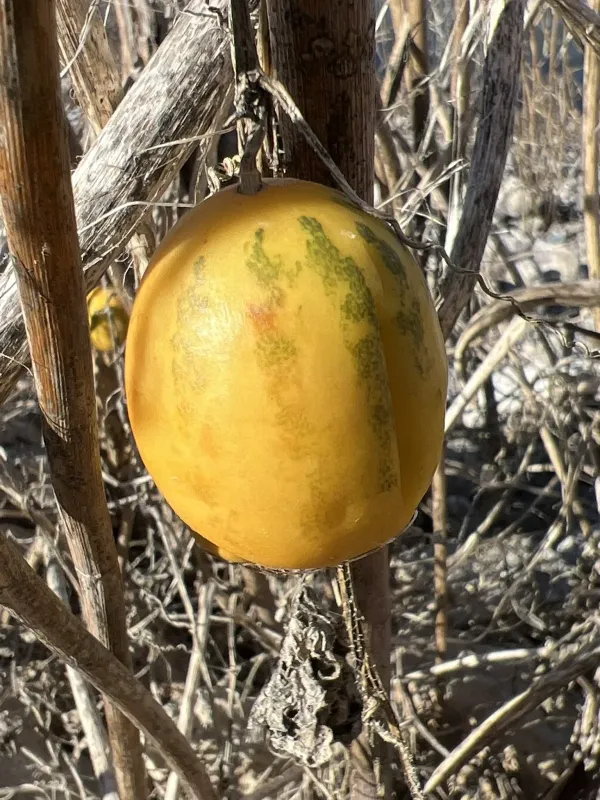
The Makuwa melon is ready for harvest when its skin turns a vibrant yellow or creamy color. The fruit will naturally release from the vine, emitting a very distinct, pleasant, sweet aroma.
Unlike some melons, the Makuwa variety does not have a long post-harvest shelf life. It should be consumed shortly after picking to fully enjoy its crisp texture and mild sweetness.
Harvesting should occur on a dry day to prevent moisture buildup on the fruit surface. Handle the melons carefully, as the skin is delicate and prone to bruising, which accelerates spoilage.
If storing for a few days, keep the fruits in a cool, well-ventilated area away from direct sunlight. Do not store them with ethylene-producing fruits, which can over-ripen the melons too quickly.
Proper harvest technique involves snipping the stem with clean garden shears, leaving about 2-3 cm attached to the fruit to help preserve its integrity during the brief storage window.