
Illyrian cotton thistle
Onopordum illyricum L.
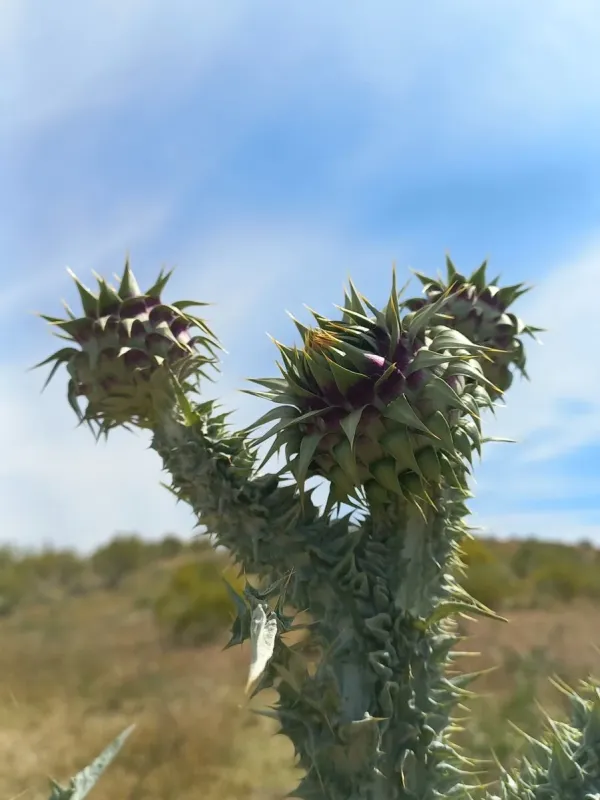
Description
Sowing dates
Onopordum illyricum is typically grown as a biennial crop. The planting process usually begins in early spring, once the soil temperature is high enough to ensure stable germination, or in late autumn for dormancy seeding.
Seeds should be sown at a depth of 1 to 2 centimeters in a well-prepared seedbed. Maintaining adequate moisture in the upper soil layer during the germination phase is essential for achieving a high emergence rate.
During the first year, the plant focuses on establishing a strong root system and a large rosette of leaves. Growers should ensure that the spacing between plants is sufficient to avoid competition for nutrients and sunlight.
In the second year, the plant transitions to the reproductive stage, producing large, branched flowering stems. Thinning the crop is recommended to ensure that individual plants reach their full potential size.
Proper weed control during the seedling stage is critical, as the young rosettes are relatively slow-growing and can be easily outcompeted by aggressive weeds in the environment.
Growing requirements
The Illyrian cotton thistle thrives in sunny, open environments. It is a highly heliophilic plant that requires full sun exposure throughout the day to support the vigorous growth of its flower heads.
The plant is exceptionally drought-tolerant once established. Its deep taproot allows it to access water deep in the soil profile, making it a suitable candidate for semi-arid agricultural regions.
Well-drained soils are essential for the health of this species. It performs best in sandy or silty loam soils with a neutral pH, and it is highly intolerant of waterlogging or swampy conditions.
Soil fertility requirements are moderate; however, the plant responds well to balanced nutrient levels, especially phosphorus, which supports root development and flower production.
Temperature range tolerance is broad, as the species is well-adapted to Mediterranean-type climates, handling hot summers and mild winters with ease.
Main diseases and pests
Aphids are the most common pests that attack the foliage and stems of the plant. If left untreated, severe infestations can stunt growth and transmit viral pathogens that affect the entire crop.
Powdery mildew is a significant fungal threat, especially in seasons with high relative humidity. It presents as a white powdery coating on leaves, which reduces the photosynthetic efficiency of the plant.
Root rot caused by various soil-borne pathogens can occur if drainage is insufficient. This condition is often fatal and can lead to patches of dead plants across the field.
Weevils can cause significant damage to the floral buds, affecting seed production. Monitoring the crop during the bud development phase is essential for timely intervention.
Integrated pest management strategies, including crop rotation and the use of resistant varieties, are recommended to maintain the health and vigor of an Onopordum illyricum plantation.