
Olinia ventosa
Olinia ventosa
Description
Growing requirements
Olinia ventosa, commonly known as the Hard Pear, is a robust evergreen tree belonging to the Oliniaceae family. It is recognized for its thick, glossy foliage and its ability to thrive in diverse environments, often forming a dominant canopy in forested regions.
The tree is native to the southern and eastern regions of Africa. It naturally occurs in moist coastal forests, riverine habitats, and sheltered mountain slopes, demonstrating a significant adaptability to varying altitudes and microclimates within its distribution range.
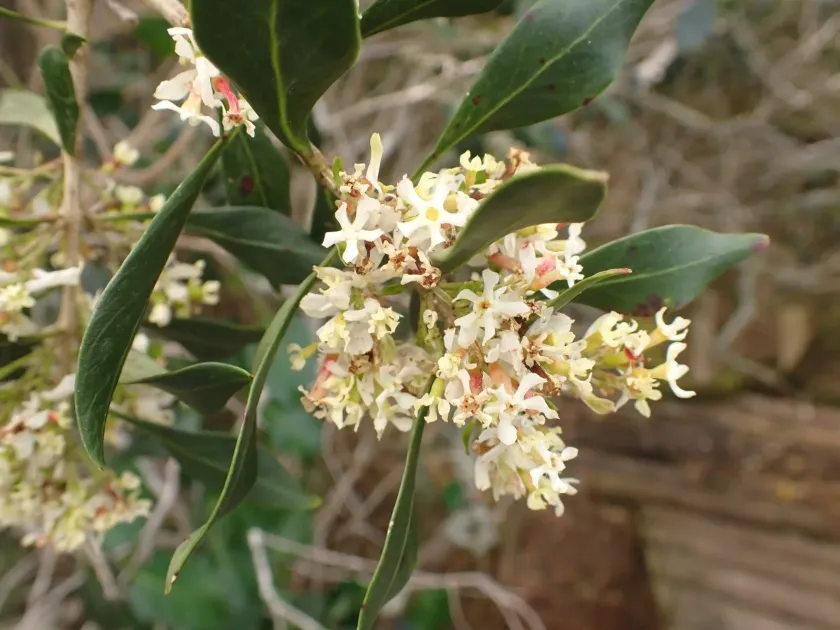
Botanically, Olinia ventosa is characterized by opposite leaves with distinct venation and white to pinkish inflorescences that attract various pollinators. The timber is exceptionally dense and durable, which has earned the species its common name and historical economic importance.
Optimal growth requires well-drained, fertile soil with moderate moisture content throughout the year. While the tree can tolerate partial shade during its juvenile stages, it requires full sunlight to achieve its maximum development potential and ensure healthy crown density.
In terms of practical use, the wood is highly valued in cabinetry and traditional construction due to its hardness and resistance to decay. Beyond timber, the tree serves as an important component in ecological reforestation projects and as an ornamental specimen in landscaping.
Main diseases and pests
Root rot remains the most significant threat to Olinia ventosa, typically caused by waterlogged soil conditions. Ensuring adequate soil aeration and proper drainage patterns is essential to prevent physiological distress in young plantations.
Common pests include scale insects and aphids, which can colonize the undersides of leaves and young shoots. Regular monitoring and the introduction of natural predators are effective strategies for managing these populations without chemical intervention.
Fungal infections can occasionally manifest as leaf spots or bark lesions, particularly in areas with high humidity and stagnant air. Maintaining clean growing conditions and ensuring proper spacing between trees are vital for disease control.
Nutrient deficiencies, specifically nitrogen or micronutrient shortages, can lead to chlorosis and stunted growth. Implementing a consistent fertilization schedule based on soil testing ensures the trees remain vigorous and resistant to pathogens.
Overall, the species is relatively hardy and resilient when managed within its preferred ecological niche. Preventive measures such as dormant pruning and soil moisture management are the most effective tools for maintaining healthy tree stands.