
Olinia cymosa
Olinia cymosa
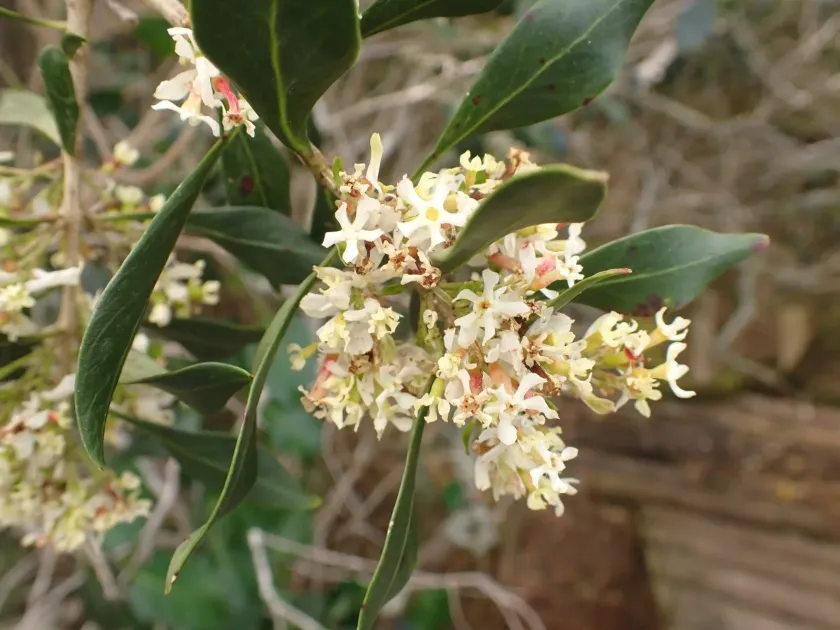
Description
Growing requirements
Olinia cymosa, commonly known as the Hard Pear, is a robust evergreen tree belonging to the Oliniaceae family. It is recognized for its dense, glossy foliage and its capability to grow into a tall, imposing specimen within its native habitat in the forests of South Africa.
This species naturally inhabits moist environments, including riparian zones, mountain gorges, and evergreen forest margins. It thrives in temperate to subtropical climates where rainfall is distributed consistently throughout the year, supporting its vigorous growth and evergreen nature.
Regarding soil requirements, Olinia cymosa prefers deep, well-draining, and nutrient-rich soils. While it can adapt to various conditions, it performs best in soils that retain moisture without becoming waterlogged, as its root system requires adequate aeration to prevent physiological stress.
Agrotechnical management focuses on providing young trees with sufficient spacing to ensure proper canopy development and light penetration. While the species is relatively self-sufficient once established, initial maintenance involves regular irrigation and mulching to support early growth stages.
The economic value of this tree is significant, particularly in the woodworking industry. Its timber is dense, fine-grained, and durable, making it highly sought after for furniture making, flooring, and fine carpentry projects where quality and long-term stability are essential.
Main diseases and pests
The primary threats to Olinia cymosa include fungal pathogens that target the root system, especially in sites with poor drainage or stagnant water. Root rot is a significant concern that can compromise the health of saplings and lead to diminished growth rates.
Insect pests, such as leaf-feeding beetles and aphids, may occasionally affect the foliage, particularly in nursery settings. These pests generally do not cause catastrophic damage to mature, healthy trees but should be monitored to prevent localized defoliation.
Effective disease management relies on cultural practices, including maintaining optimal tree density and ensuring good air circulation within the canopy. Regular monitoring for signs of distress, such as leaf discoloration or bark anomalies, allows for timely intervention.
Sanitation practices, such as removing infected plant material, play a crucial role in preventing the spread of diseases within plantations. Using disease-resistant stock and site preparation that prioritizes drainage are the best long-term strategies for success.
Maintaining a balanced ecosystem around the trees often provides natural control against many common pests. When chemical intervention is necessary, targeting specific pests with eco-friendly solutions helps protect the surrounding environmental biodiversity.