
Olinia rochetiana
Olinia rochetiana
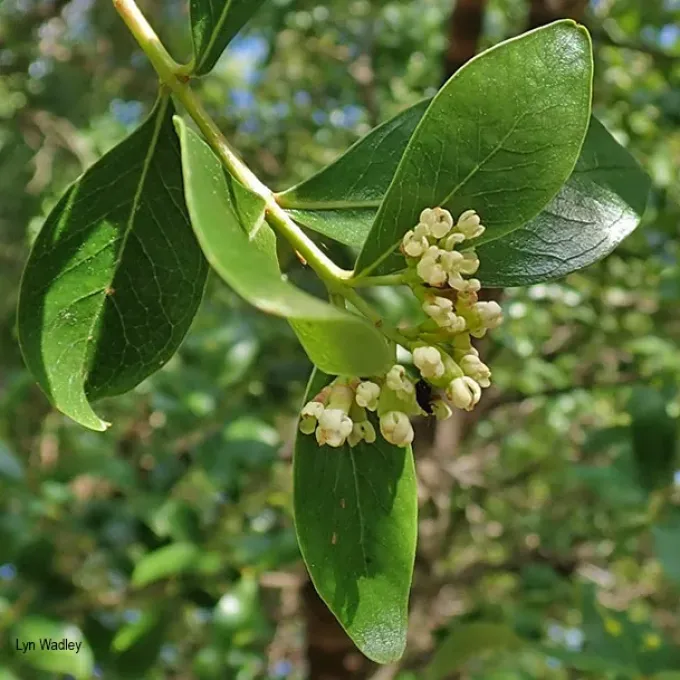
Description
Growing requirements
Olinia rochetiana is a notable species within the Penaeaceae family, recognized for its evergreen foliage and robust woody structure. This tree plays an essential role in the montane ecosystems of East Africa.
Native to the high-altitude forests of Ethiopia and surrounding regions, the species thrives in areas with consistent rainfall and cool, humid conditions. It is a slow-growing tree that integrates well into montane forest structures.
The cultural requirements include well-drained, nutrient-rich soils that mimic natural forest floors. Poor drainage is detrimental to root health, often leading to susceptibility to various soil-borne pathogens.
Climate adaptation is specific, requiring stable temperature ranges. While the plant can tolerate slight fluctuations, it is essentially sensitive to prolonged drought and intense frost, which can stunt its development.
Maintenance involves providing adequate shade during early growth stages and consistent irrigation. Mulching is highly recommended to regulate soil temperature and moisture retention throughout the year.
Harvesting
The economic utility of Olinia rochetiana is primarily focused on its durable timber and medicinal properties. Local communities have long utilized the bark and leaves for traditional therapeutic preparations.
Harvesting strategies involve precise pruning and bark extraction techniques to ensure the longevity of the individual trees. Sustainable harvesting is vital to maintain the natural population of this mountain species.
Post-harvest processing of bark includes air-drying in shaded, ventilated areas. This method is critical for preserving the integrity of the bioactive compounds found within the plant tissues.
Timber utilization requires careful seasoning to prevent cracking and warping of the finished wood products. The wood is traditionally valued for its hardness and dense grain structure.
Ongoing agricultural interest focuses on establishing controlled nursery conditions to improve growth rates and yields for medicinal applications. Future efforts may include the selection of high-performance phenotypes.