
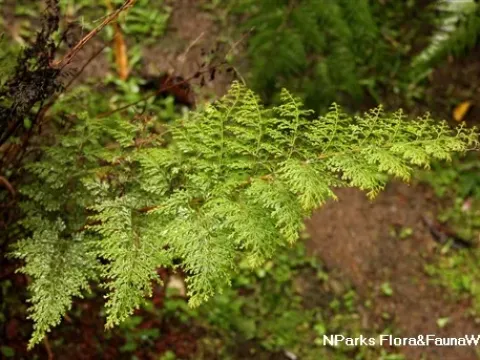
Odontosoria
Odontosoria
Odontosoria is a genus of ferns belonging to the Dennstaedtiaceae family. These plants are characterized by their delicate, lace-like fronds and creeping rhizomes, making them popular subjects for botanical collections and interior decoration.
What the section contains


Odontosoria
Originating from tropical and subtropical regions across the globe, Odontosoria thrives in environments where humidity is high and temperatures remain consistently warm throughout the year. They are typically found in shaded forest floors or moist rocky outcrops.
Cultivation requirements necessitate a well-draining, organic-rich growing medium. A mixture of peat moss, perlite, and pine bark is recommended to ensure adequate aeration while maintaining the moisture levels necessary for these ferns to flourish.
They prefer indirect, diffused lighting conditions. Direct sunlight is detrimental to their foliage, often resulting in scorching and permanent damage to the delicate leaf blades. Low-light environments can lead to etiolated, weak growth.
Stable temperatures between 18°C and 24°C are ideal. These plants are sensitive to cold drafts and sudden temperature fluctuations, which can trigger leaf drop and stunt the overall development of the specimen.
Common pests include spider mites, which thrive in dry indoor air. Regular misting and monitoring are essential to prevent infestation, as these mites can quickly destroy the fern's intricate foliage.
Root rot remains the most significant threat to the plant's health, often caused by overwatering or poor drainage. Ensuring the soil surface dries slightly between waterings is crucial for maintaining root integrity.
Mealybugs can also infest the stems and undersides of the fronds. Their presence is marked by white, cotton-like masses, which should be physically removed or treated with appropriate horticultural oils.
Environmental stress, such as low humidity, often leads to the tips of the fronds turning brown and crispy. Increasing ambient humidity via humidifiers or humidity trays is the most effective corrective measure.
Fungal leaf spot diseases may appear if there is poor air circulation around the plant. Ensuring adequate space between individual plants and maintaining good hygiene by removing dead fronds will mitigate these risks.