
Odontosoria chinensis
Odontosoria chinensis
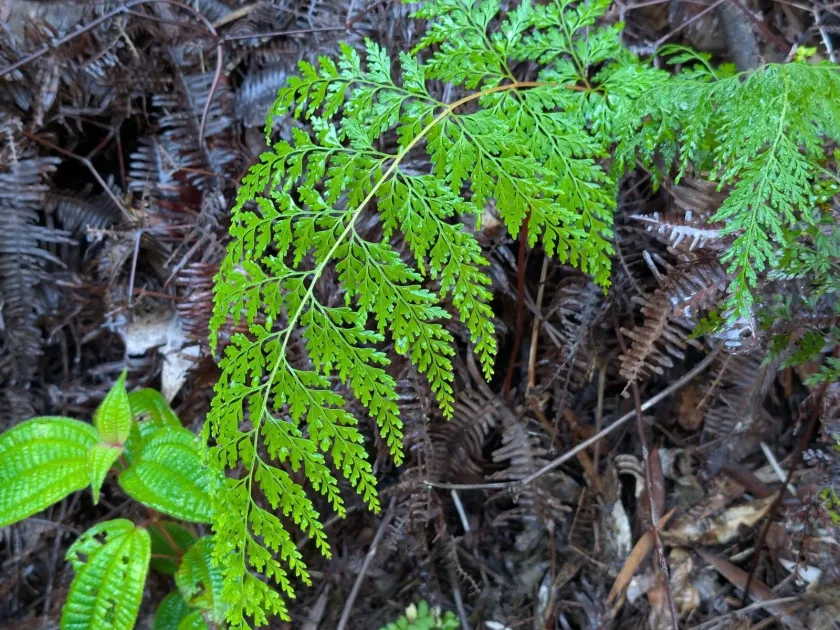
Description
Growing requirements
Odontosoria chinensis is a perennial fern belonging to the Dennstaedtiaceae family. It is recognized for its creeping rhizomes and delicate, multi-pinnate fronds that form a lush, airy display in humid environments.
Native to tropical and subtropical regions, this plant thrives in areas with consistent moisture and protection from harsh elements. It is commonly found in nature on rocky slopes and forest edges where the soil is rich in organic matter and well-drained.
The plant requires filtered, indirect light to maintain its vibrant green color. Exposure to intense sunlight can quickly scorch the delicate foliage, making it unsuitable for areas with high light exposure.
Soil requirements focus on moisture retention without allowing for waterlogging. A substrate based on peat or leaf mold, mixed with perlite for aeration, is ideal for promoting healthy root development.
Temperature stability is vital for this fern. It prefers warm conditions, ideally between 18 and 25 degrees Celsius, and should be protected from freezing temperatures and cold drafts throughout the year.
Main diseases and pests
Spider mites are the most common pest problem, especially in indoor environments with low humidity. Maintaining high ambient humidity is the best natural deterrent against these persistent insects.
Overwatering creates a high risk of root rot, which is often fatal to ferns. It is essential to allow the top layer of the substrate to dry slightly before watering again, ensuring the drainage is always functional.
Scale insects can attach to the underside of the fronds, where they extract plant sap. If detected, they should be removed manually or treated with appropriate insecticidal soap to prevent an infestation.
Fungal leaf spots can develop if the fronds remain wet for prolonged periods without adequate air movement. Improving ventilation around the plant is a critical preventive measure.
Maintaining a clean growing environment and isolating new additions to the collection are essential strategies for preventing the spread of diseases and pests among your ferns.
Harvesting
The primary use of Odontosoria chinensis is ornamental. It is a highly valued plant for shade gardens, conservatories, and specialized fern collections due to its sophisticated aesthetic appeal.
Propagation is most successfully achieved by dividing the rhizome. This method ensures that new plants establish quickly and mirror the exact characteristics of the parent plant, maintaining the aesthetic quality of the collection.
Regular maintenance involves the careful removal of senescent or damaged fronds to ensure the energy of the plant is directed toward healthy new growth. This practice also improves air circulation within the plant canopy.
While some ferns are used for culinary or medicinal purposes in traditional practices, Odontosoria chinensis is primarily cultivated for its architectural beauty in landscape architecture and indoor design.
Fertilization should be handled with care. A diluted liquid fertilizer applied sparingly during the growing season is sufficient to support the fern's development without risking salt burn on the sensitive roots.