
Sphenomeris
Sphenomeris
Sphenomeris is a genus of ferns within the Lindsaeaceae family. These plants are native to tropical and subtropical regions across the globe, primarily found in Asia, Africa, and parts of the Pacific, where they thrive in humid conditions.
What the section contains

Sphenomeris
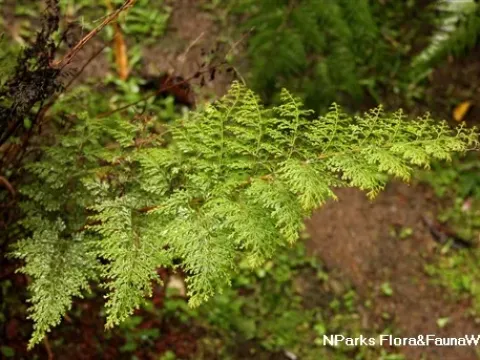
Botanically, these ferns are distinguished by their finely divided foliage and rhizomatous growth patterns. They often inhabit shaded environments, such as forest understories, where light intensity is significantly reduced compared to open areas.
The cultivation of Sphenomeris requires a porous, well-draining substrate that remains consistently moist. Organic-rich potting mixes that mimic the composition of forest floor soil are ideal for supporting healthy root development and vitality.
Temperature management is critical for this genus, as it is not cold-hardy. Consistent temperatures ranging between 18°C and 25°C are optimal for growth. Exposure to freezing temperatures can cause irreversible damage to the vascular tissues.
Humidity requirements are high, often necessitating the use of humidifiers or regular misting. Proper air circulation is equally important to prevent stagnant air, which can encourage the growth of unwanted microorganisms around the plant base.
Pests such as scale insects and mealybugs are the primary threats to Sphenomeris. These insects thrive in indoor environments and can quickly colonize the delicate fronds, leading to stunted growth and leaf deformation.
Root rot, caused by various species of fungi, is a frequent issue if the soil remains waterlogged. The symptoms usually manifest as yellowing of the fronds followed by the decay of the rhizome and root structure.
Management of these threats involves prompt isolation of affected plants to prevent spread. Manual removal of pests is recommended for early infestations, while systemic insecticides may be necessary for severe cases.
To enhance resilience, it is essential to ensure that the water quality is high. Avoiding water with high mineral content helps prevent salt buildup in the substrate, which can adversely affect the plant's nutrient uptake.
Regular sanitation, including the removal of dead or decaying fronds, is a vital practice. This minimizes the surfaces available for fungal spores to settle and ensures that energy is directed toward the growth of healthy foliage.