
Odontosoria aculeata
Odontosoria aculeata
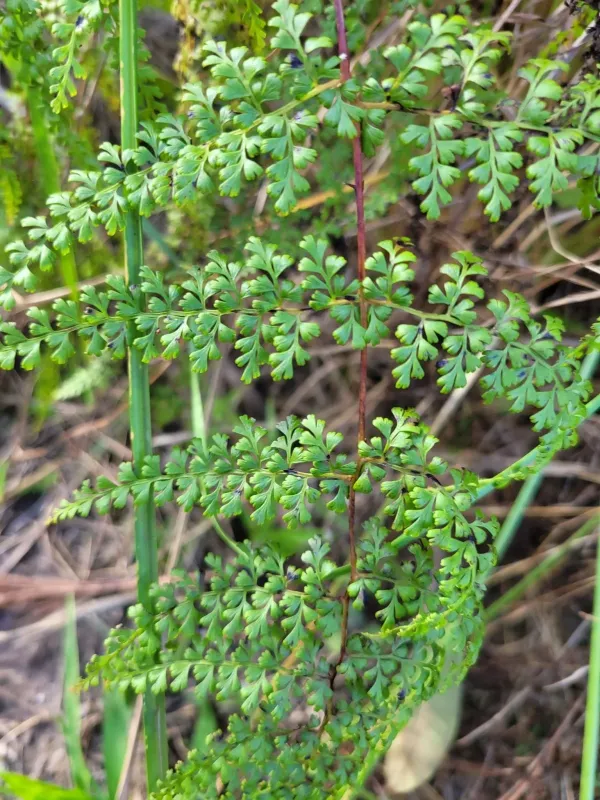
Description
Sowing dates
Odontosoria aculeata is a tropical fern that is typically propagated through vegetative division of its rhizomes rather than traditional seed sowing.
Propagation via spores is a highly specialized process, often reserved for greenhouse or laboratory settings due to the strict requirements for sterility.
The ideal time for propagation is during the spring season, when the plant enters its most active cycle of vegetative growth.
When using spores, the growth medium must be kept consistently moist while maintaining ambient temperatures between 22 and 25 degrees Celsius.
Young sporophytes are extremely sensitive to environmental stress, necessitating protection from direct sun and drying drafts during the initial growth phase.
Growing requirements
Belonging to the Dennstaedtiaceae family, this fern naturally thrives in humid tropical rainforests where high rainfall is consistent.
Successful cultivation requires a loose, well-draining substrate rich in organic matter to mimic the natural forest floor conditions.
High relative humidity is the most critical factor for this plant; without supplemental humidity, the fronds tend to wither quickly.
The plant performs best in shaded or semi-shaded areas, as intense direct light can scorch the delicate foliage and cause stunted growth.
A stable temperature range, typical of tropical zones, should be maintained, as the plant is highly susceptible to chilling or rapid temperature fluctuations.
Yield
As a non-agricultural crop in the industrial sense, Odontosoria aculeata is primarily utilized for ornamental horticulture and botanical collections.
The yield of this plant is measured by its vigor and the density of its foliage, which determines its value for professional landscape design.
Regular fertilization with diluted, balanced liquid nutrients helps maximize the plant's aesthetic development throughout the growing season.
While not a source of food or fiber, the plant provides significant value in the commercial trade of rare and exotic indoor plants.
Proper environmental management allows for consistent production of healthy mother plants suitable for further vegetative propagation.
Main diseases and pests
Root rot is the most common threat to this species, usually caused by overwatering or the use of poorly drained, compacted soil mixtures.
Pests such as mealybugs and scale insects frequently attack the foliage, especially when the plant is stressed by low humidity levels.
Fungal leaf spot diseases can emerge if air circulation is insufficient, leading to unsightly patches and the potential death of the fronds.
Spider mites are a persistent threat in indoor environments with dry air, necessitating regular misting or treatment with insecticidal soaps.
Effective management of these threats involves routine health monitoring and maintaining optimal environmental parameters to boost plant immunity.
Harvesting
Harvesting for this species entails the careful removal of old or damaged fronds to maintain the plant's overall health and visual appeal.
When propagating, the division of the rhizome must be performed with sterilized tools to prevent the introduction of pathogens into the cut surfaces.
Maintenance pruning is ideally carried out during the dormant season or early spring to prevent undue stress on the plant.
Care must be taken during any handling of the plant, as the fronds are delicate and can be easily bruised or broken during transport.
Following pruning, the plant should be kept in a protected area with stable light and temperature until it shows signs of active recovery.