
Odontonema nitidum
Odontonema nitidum
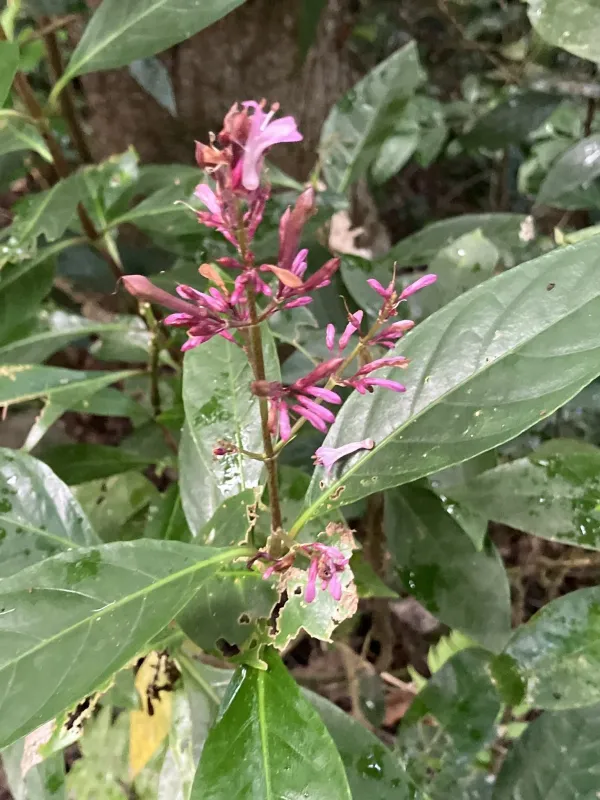
Description
Growing requirements
Odontonema nitidum is a perennial evergreen shrub belonging to the Acanthaceae family. It is native to the tropical regions of the Americas, where it thrives in warm, humid forest understories.
The plant requires high levels of humidity and warm temperatures throughout the year. It cannot tolerate frost, making it suitable only for greenhouses, conservatories, or as a high-maintenance houseplant in temperate climates.
Cultivation requires a well-drained, nutrient-rich soil mix. A mixture of peat, loam, and coarse sand is highly effective in maintaining the balance between moisture retention and essential aeration for the roots.
Light requirements are best met with bright, indirect sunlight. While the plant can handle some morning sun, afternoon shade is essential to prevent leaf scorching and to preserve its distinctive shiny foliage.
Consistent irrigation is vital during the growing season. The soil should remain evenly moist but never waterlogged, as poor drainage is the leading cause of decline for this species in managed environments.
Main diseases and pests
Common pests include spider mites, scale insects, and mealybugs. These organisms thrive in the same warm conditions that the plant requires, necessitating vigilant monitoring of the undersides of leaves.
Root rot, caused by fungal pathogens such as Phytophthora or Pythium, is the primary disease threat, typically triggered by overwatering or insufficient drainage in the growing container.
Leaf spot diseases can occur if the humidity levels are too high combined with stagnant air. Maintaining good air circulation within the greenhouse is crucial to prevent the development of mold and fungus.
Integrated pest management strategies are recommended, including the use of horticultural oils for pest control and avoiding wetting the foliage during evening watering to reduce disease risk.
Regular inspection and the isolation of new specimens are standard practices to prevent the introduction of pathogens and pests into the cultivation area, ensuring the long-term health of the plant.