
Odontonema cuspidatum
Odontonema cuspidatum
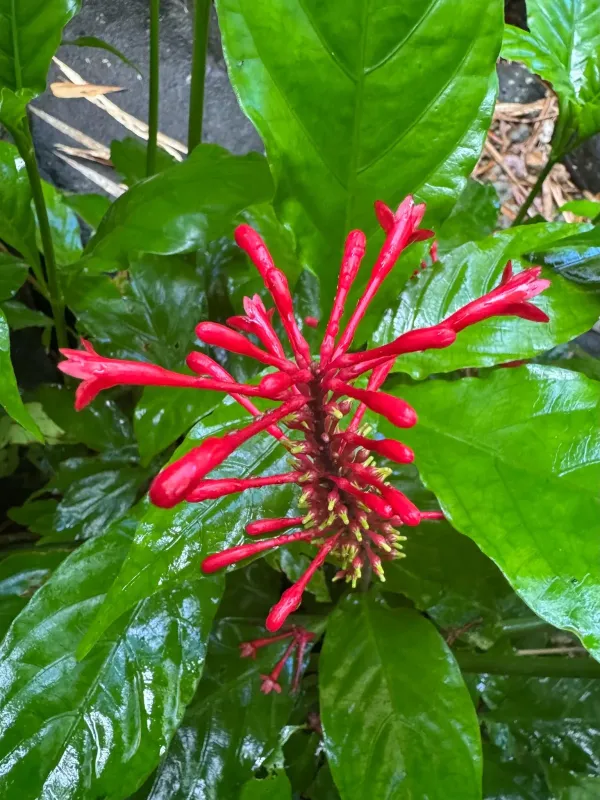
Description
Growing requirements
The plant thrives in fertile, well-draining, and moisture-retentive soil. A slightly acidic to neutral pH level is ideal for optimal nutrient absorption. Adding organic matter, such as compost or peat, can significantly improve the soil structure and promote healthy root growth.
Light requirements involve bright, filtered light. While the plant can tolerate some direct morning sun, harsh afternoon rays often scorch the leaves. Indoors, placing it near an east or west-facing window is usually sufficient to maintain its physiological balance.
Temperature management is critical; the ideal range is between 18°C and 25°C. Exposure to temperatures below 10°C should be avoided to prevent cellular damage. Consistent warmth encourages steady growth and successful floral development throughout the year.
Watering must be regular and consistent to ensure the substrate remains moist but not waterlogged. Drying out the soil leads to immediate wilting, whereas overwatering can lead to rapid fungal infection of the root system, ultimately causing systemic decline.
Pruning is an essential maintenance task. It should be performed after the main flowering season to keep the shrub compact and encourage bushiness. Removing old or elongated stems helps improve air circulation within the canopy and promotes the development of new, healthy shoots.
Main diseases and pests
Common pests include spider mites, particularly in low-humidity environments. These pests cause yellowing and stippling of the foliage. Regular misting and maintaining adequate humidity levels help deter these infestations from taking hold on the plants.
Mealybugs are another frequent threat, often found in the leaf axils and along stems. They extract plant sap and can cause significant damage if left untreated. Manual removal followed by systemic insecticide application is typically the most effective management strategy.
Fungal diseases, such as root rot and leaf spot, are prevalent when moisture management is poor. High humidity without adequate ventilation creates a perfect breeding ground for various pathogens, which can severely compromise the plant's aesthetic and health.
Prevention relies on good cultural practices: ensuring pots have adequate drainage holes, using sterilized potting mix, and avoiding overcrowding of plants. Frequent inspection of the foliage allows for the early detection and management of potential outbreaks.
- Use systemic insecticides for persistent pest control.
- Ensure excellent drainage to prevent root rot.
- Maintain constant humidity levels in indoor environments.