
Nitella hyalina
Nitella hyalina
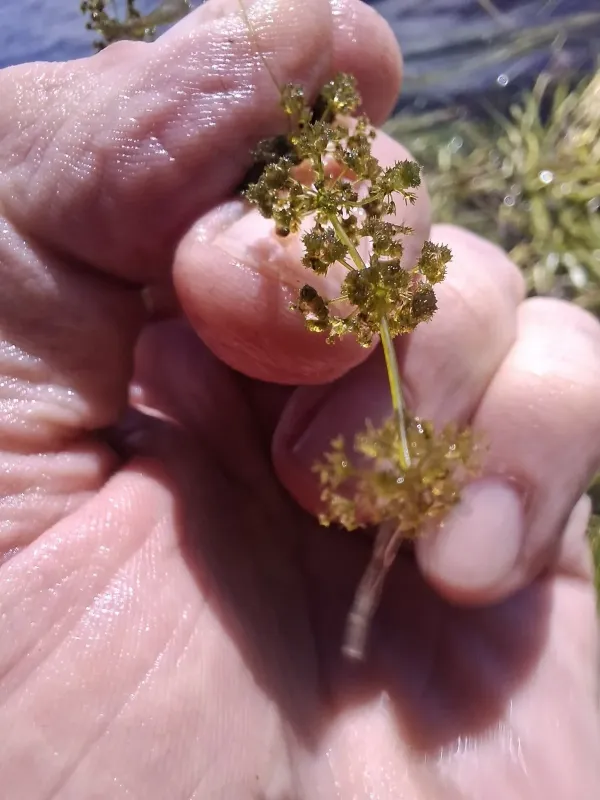
Description
Growing requirements
Nitella hyalina belongs to the Characeae family. It is a multicellular macroscopic green alga that exhibits complex structural organization, often mimicking the morphology of higher vascular plants within aquatic environments.
The distribution of this species is global, making it a true cosmopolite. It thrives in diverse freshwater and brackish habitats, typically preferring stagnant or slowly moving waters with stable benthic substrates, ranging from fine sand to organic-rich silt.
Regarding environmental conditions, this species requires adequate light penetration for photosynthesis. It is highly sensitive to turbidity; therefore, maintaining water clarity is essential for its survival and growth in pond ecosystems.
In terms of agricultural and ecological management, Nitella hyalina is considered a beneficial species in aquacultural systems. It helps in the sequestration of excess nutrients, effectively reducing the risk of eutrophication in irrigation ponds and natural water bodies.
Farmers and water managers study this species for its role as a primary producer and habitat provider for fish larvae and beneficial aquatic invertebrates. Its presence is often a sign of a balanced and healthy nutrient cycle within a contained aquatic environment.
Main diseases and pests
The primary threat to the health of Nitella hyalina populations is agricultural runoff. Excessive loads of fertilizers containing nitrogen and phosphorus can stimulate rapid growth of phytoplankton, which blocks light and leads to the eventual collapse of Nitella colonies.
Furthermore, the input of synthetic pesticides, particularly herbicides used in nearby crop production, poses a severe risk. As a sensitive aquatic organism, Nitella hyalina can be damaged by low concentrations of agricultural chemicals, which disrupt its physiological functions.