
Nitella flexilis
Nitella flexilis
Description
Growing requirements
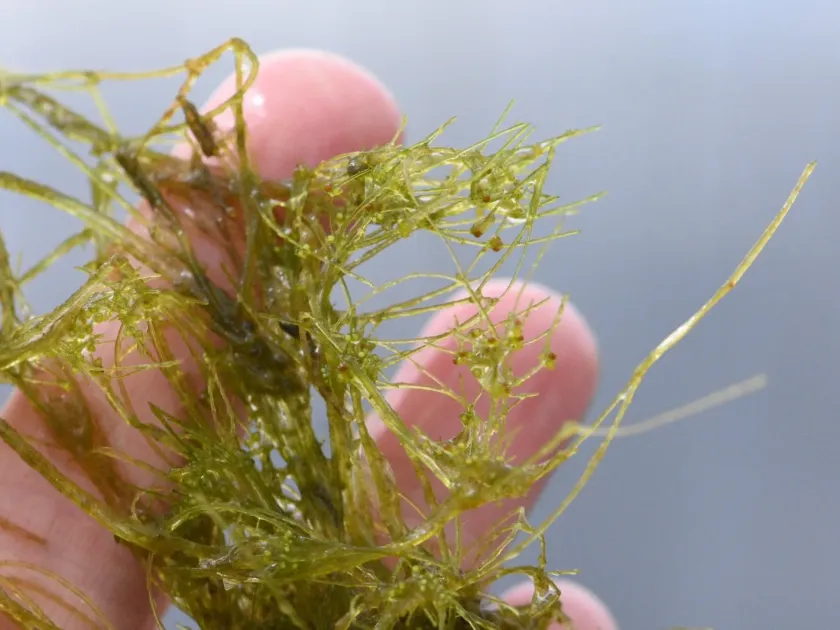
Nitella flexilis is a species of charophyte algae within the Characeae family. It is widely recognized as a sophisticated multi-cellular organism that plays a pivotal role in the oxygenation and filtration of freshwater ecosystems throughout the Northern Hemisphere.
This organism requires pristine water conditions to thrive. It is highly sensitive to water clarity, as its photosynthetic processes rely heavily on the penetration of natural light through the water column to reach submerged colonies.
Regarding soil requirements, Nitella prefers soft, organic-rich substrates such as silt, sand, or peaty bottoms. These substrates provide the necessary anchoring points for the plant's delicate, rhizoid-like structures.
The chemical composition of the water should remain within a neutral to slightly alkaline pH range. Stability in mineral content is essential for maintaining the structural integrity of its translucent, jointed thallus.
Climate adaptability of Nitella flexilis is centered on cool to moderate environments. It is effectively considered a perennial in deeper waters where temperatures remain relatively stable and do not reach extremes during summer heatwaves.
Main diseases and pests
Eutrophication remains the most significant threat to the species. Increased nutrient runoff causes algal blooms that cloud the water, effectively blocking the light supply essential for Nitella survival.
Fungal pathogens, specifically those from the order Chytridiales, represent a constant biological risk. These parasites can infect the thallus, leading to tissue degradation and the eventual collapse of healthy underwater meadows.
Pollution from agricultural pesticides and industrial heavy metals presents a major toxicological danger, as the plant acts as a biological sponge, accumulating these substances until its metabolic functions fail.
Physical disturbance by non-native aquatic species or dredging operations can destroy the fragile colonies, which rely on stable bottom conditions for their long-term growth and reproduction.
Changes in water acidity levels, often resulting from acid rain or industrial seepage, can rapidly alter the chemical balance of the habitat, leading to severe physiological stress and widespread plant death.