
Nitella gracilis
Nitella gracilis
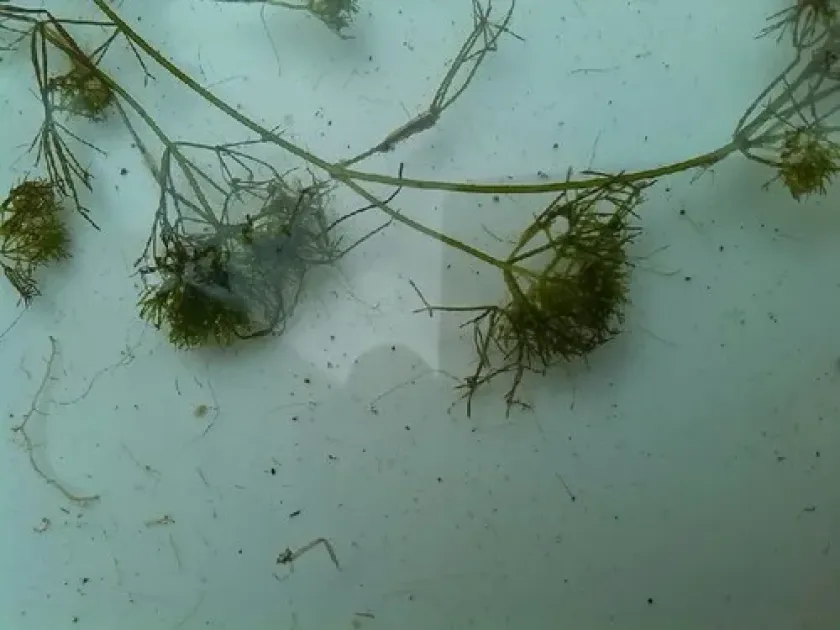
Description
Growing requirements
Nitella gracilis belongs to the Charophyta division and the Characeae family. It is a complex, multicellular green alga that exhibits a structural organization resembling that of higher plants, although it lacks true vascular tissues.
This species typically inhabits clear, stagnant, or slow-flowing freshwater ecosystems. It is considered an excellent bioindicator, as its presence is a reliable sign of high water quality and low pollution levels in a pond or lake.
Optimal growth requires high light penetration, as the plant relies on photosynthesis in the water column. Consequently, it is usually found at depths ranging from 0.5 to 2 meters, where turbidity levels remain low.
The substrate preference for Nitella gracilis includes silt-rich or sandy bottoms. The plant uses rhizoids to anchor itself into the benthic layer, absorbing essential minerals directly from the nutrient-rich sediments.
Temperature plays a crucial role in its vegetative cycle. While the plant can withstand moderate fluctuations, it thrives best in stable temperatures between 15°C and 22°C, which are characteristic of temperate freshwater zones.
Main diseases and pests
Eutrophication is the primary threat to the stability of Nitella gracilis populations. High phosphorus and nitrogen inputs encourage dense algal blooms that block sunlight and starve the submerged nitella of energy.
Siltation of the lake bottom caused by erosion from agricultural lands significantly harms the plant. Suspended particles settle on the thallus, physically blocking light and causing severe stress to the organism.
Chemical contamination, particularly from runoff containing herbicides, has a devastating effect on charophyte species. Due to their extreme sensitivity, even low concentrations of toxins can cause mass mortality in local colonies.
Destructive dredging operations for channel clearing or resource extraction pose a direct physical risk. Such activities remove the necessary substrate and destroy existing populations, leaving them unable to recover.
Competition from invasive macrophyte species also threatens the species. Fast-growing plants can quickly outcompete Nitella gracilis for living space, effectively excluding it from the ecosystem in a short period of time.