
Nerine
Nerine bowdenii x Nerine sarniensis
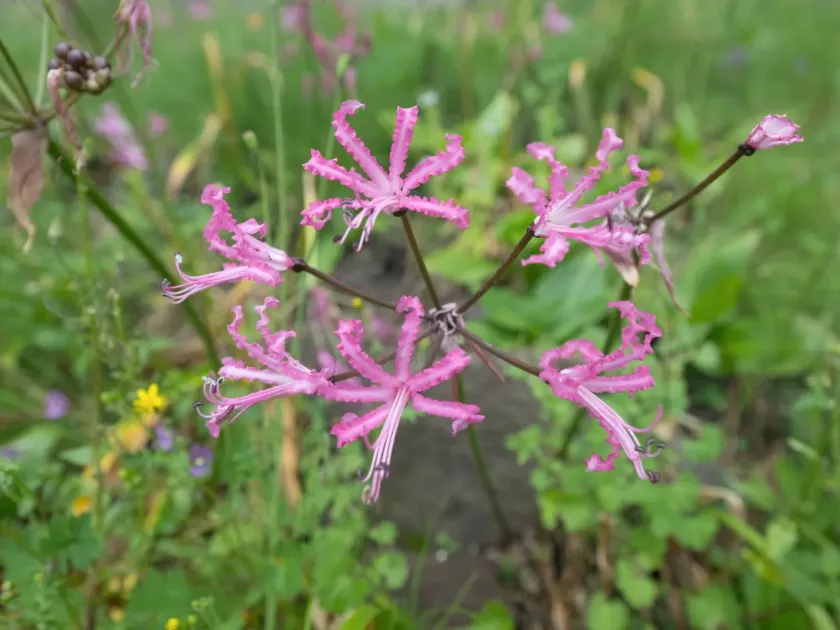
Description
Sowing dates
Planting Nerine bulbs should be done in spring once the danger of frost has passed. It is crucial to plant the bulbs with the neck protruding above the soil surface to ensure healthy growth and prevent rotting.
The substrate must be well-draining, consisting of a mix of potting soil, coarse sand, and a small amount of organic fertilizer. Using pots with large drainage holes is essential to avoid waterlogging the roots.
For outdoor planting in mild climates, choose a spot that receives full sunlight. Proper spacing of approximately 15 to 20 centimeters between bulbs is necessary for adequate air circulation.
When starting the bulbs, perform a light initial watering to settle the soil. Further watering should be minimal until active green shoots appear to avoid inducing bulb decay.
For commercial production, greenhouses are preferred as they allow for precise temperature and light control, ensuring high-quality flower production for the autumn market.
Growing requirements
Nerine belongs to the Amaryllidaceae family and originates from South Africa. It thrives in sunny locations that mimic its native environment, requiring at least 6–8 hours of sunlight daily.
The soil should be light, fertile, and slightly acidic. If the ground is heavy, incorporating grit or horticultural sand will significantly improve the drainage profile.
Temperature management is key to successful blooming. During the active growing phase, plants prefer temperatures between 20°C and 25°C. A cooler period during dormancy is mandatory to trigger the production of flower spikes.
Nerine is relatively drought-tolerant once established, but it should never be allowed to dry out completely during the peak of its growing season.
Winter care requires a dry, cool, and frost-free environment. Keeping the bulbs in a dormant state at 8–10°C is the secret to consistent annual flowering in pot culture.
Main diseases and pests
Fungal diseases like Fusarium and grey mould are the most common threats to Nerine. They are usually caused by overwatering or poor ventilation, leading to bulb and root rot.
Mealybugs and aphids are common pests that feed on the sap of the leaves and flower stalks. Regular inspection and the use of insecticidal soap or systemic treatments can manage these infestations effectively.
The bulb mite can cause severe damage to the basal plate of the bulb, resulting in stunted growth. Treating bulbs with a fungicide/miticide dip before planting is a recommended best practice.
Thrips may also cause cosmetic damage to the flowers and foliage. Maintaining a clean growing environment and managing weed populations around the plants helps reduce the incidence of these pests.
Integrated pest management (IPM) strategies, including biological controls and proper site sanitation, are highly recommended to minimize reliance on heavy chemical interventions.
Harvesting
Harvesting cut flowers should take place when the buds are just beginning to open. This stage ensures the maximum vase life for the inflorescence, often lasting up to two weeks.
Never prune the foliage immediately after flowering. The leaves must remain on the plant until they wither naturally to allow the bulb to replenish its energy reserves.
If lifting bulbs for winter storage, allow them to dry in a shaded, well-ventilated area for several days. Store them in dry peat or sand to prevent dehydration during the dormant period.
Propagation via offsets should be performed every few years. Carefully separate the daughter bulbs from the main mother bulb and replant them in fresh, nutrient-rich soil to expand the collection.
Productivity is enhanced by consistent fertilization with high-potassium fertilizers during the active growing season, which supports the development of robust, flowering-sized bulbs.