
Nerine sarniensis
Nerine sarniensis (L.) Herb.
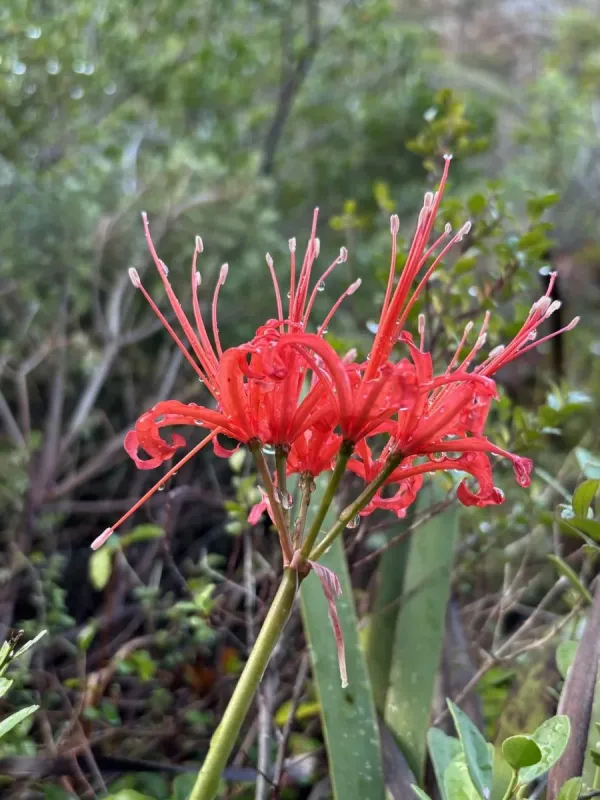
Description
Sowing dates
Planting of Nerine sarniensis occurs at the end of the dormancy period, typically in late August or early September, to align with the active growth cycle.
Bulbs should be placed in a light, well-draining soil mix, ensuring that the neck of the bulb remains above the soil surface to prevent fungal decay.
Space the bulbs approximately 10 to 15 centimeters apart to allow sufficient airflow, which is critical for reducing humidity levels around the foliage.
After initial planting, apply a light watering to settle the bulbs, and wait until active growth begins before increasing the frequency of hydration.
Keep the environment at a stable, cool temperature during the initial rooting phase to encourage healthy development of the bulb's root architecture.
Growing requirements
Nerine sarniensis belongs to the Amaryllidaceae family and originates from South Africa, necessitating bright, indirect sunlight for optimal development.
A well-aerated, gritty substrate with a neutral pH is essential, as the roots are highly susceptible to rot if water remains stagnant in the potting mix.
During the active growing season, provide a cool atmosphere, ideally between 15 and 18 degrees Celsius, to support strong and long-lasting floral spikes.
Watering must be managed with extreme precision; the soil should remain barely moist during growth and completely dry during the summer dormancy phase.
Adequate ventilation is a fundamental requirement, as it prevents the buildup of excess humidity that often triggers dormant stage complications.
Main diseases and pests
The primary threat to Nerine sarniensis is grey mold, which spreads rapidly when the crown of the bulb is kept too damp during colder months.
Fusarium wilt can also devastate a collection, appearing as chlorosis and wilting of the foliage, often exacerbated by poorly sanitized potting containers.
Mealybugs and spider mites are the most frequent pests, thriving in the warm and sometimes overly dry environments if the plant is kept indoors.
Effective pest management requires regular monitoring of the leaf undersides and the use of targeted systemic treatments at the earliest sign of an infestation.
Sanitation is key to preventing outbreaks: ensure that all tools are sterilized and that spent organic matter is removed from the growing area immediately.
Harvesting
Harvesting for floral arrangements should occur when approximately half of the florets on the stalk have opened to ensure maximum vase life.
Use a sharp, sterilized blade to sever the stalk, taking great care to leave the surrounding leaf blades intact for continued photosynthesis until their natural decline.
Post-flowering, the plant requires consistent fertilization with low-nitrogen, high-potassium formulas to promote bulb swelling and reserves for the next cycle.
Once the foliage begins its natural yellowing process at the end of the season, reduce water intake to initiate the necessary period of summer dormancy.
Properly cured and cleaned bulbs should be stored in a cool, airy environment until the next planting season to ensure vigor and consistent blooming.