
Nerine bowdenii
Nerine bowdenii W. Watson
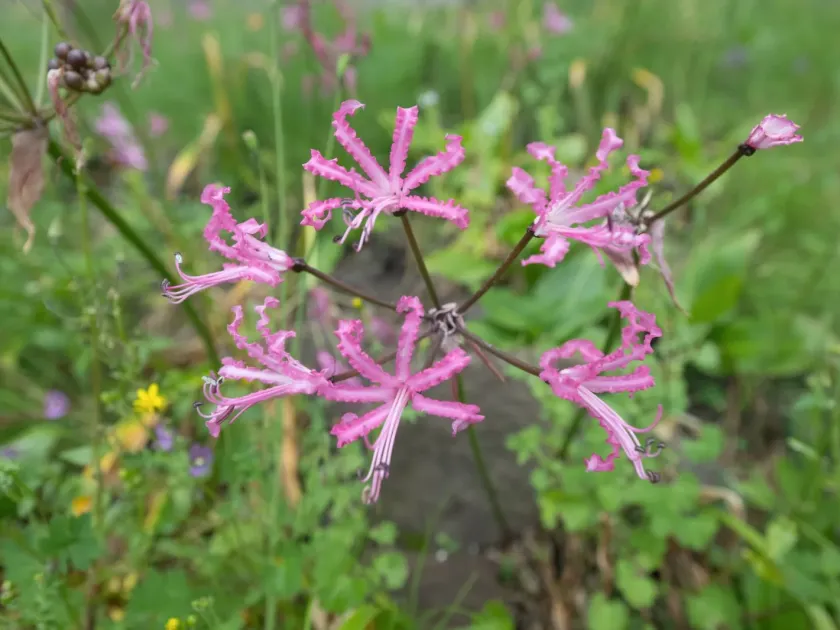
Description
Sowing dates
Planting of Nerine bowdenii bulbs should occur in early spring, once the threat of heavy frost has passed. Ensuring the soil has reached an adequate temperature is vital for establishing a healthy root system before the active growth phase.
When planting, it is essential to leave the neck of the bulb exposed above the soil surface. This specific technique mimics the plant's natural growth habit and helps prevent the bulb from rotting in wet conditions.
For pot cultivation, choose a well-draining potting mix with a high sand content. Proper drainage is the most important factor in the successful cultivation of this species, especially in controlled environments.
Applying a light starter fertilizer at planting can encourage root development. However, avoid heavy nitrogen applications, as this may delay the onset of flowering later in the season.
Consistency in spacing is important for field-grown crops to ensure adequate airflow between plants. This helps maintain a dry environment around the foliage, reducing the risk of fungal infections.
Growing requirements
Nerine bowdenii is a member of the Amaryllidaceae family, originating from the mountainous regions of South Africa. It thrives in locations that receive full sun for most of the day, which is necessary for blooming.
The plant requires a neutral to slightly acidic, loose, and gritty soil composition. If the existing soil is heavy clay, the incorporation of pumice or coarse sand is recommended to improve porosity and drainage.
Climate management is crucial; these plants prefer a warm, dry summer to trigger dormancy and a cool, moist autumn to support flowering. In colder climates, they should be moved to a greenhouse during winter months.
Irrigation must be carefully managed. Provide water during the leaf development stage, but significantly reduce it once the foliage begins to yellow. During the winter dormancy phase, the soil should remain largely dry.
The temperature range for optimal development is between 15°C and 25°C. While they can tolerate light frost, extended exposure to extreme cold will damage the bulbs and significantly reduce the following year's flowering yield.
Yield
The economic value of Nerine bowdenii is centered on the production of cut flowers. Yields are maximized by ensuring bulbs remain undisturbed for several years, as they prefer to be tightly clustered in the soil.
Regular feeding with potassium-rich fertilizers during the active growing phase enhances flower quality. High-quality stems produce larger, more vibrant, and longer-lasting umbels, which are highly valued in the floral market.
Bulb propagation occurs naturally through the development of offsets. These can be separated every 3 to 4 years to expand production areas, provided the mother bulb is mature enough for division.
Monitoring the number of flower scapes per square meter is essential for evaluating productivity. High-density planting can increase yield, provided that water and nutrient access is properly managed for all individuals.
Harvesting bulbs for sale is best performed during the deep dormancy phase. Ensuring bulbs are healthy, firm, and free of physical damage is critical for maintaining market value and ensuring future growth.
Main diseases and pests
Fungal pathogens, particularly those causing basal rot, are the primary threat to Nerine bowdenii. These diseases are usually triggered by excessive irrigation or poor soil drainage, leading to the rapid decline of the bulb.
Root mites and mealybugs are significant pests that affect the health of the bulb. These insects can weaken the plant and serve as vectors for secondary bacterial and viral infections.
Proactive management includes regular inspections of the bulbs and foliage. If an infection is detected, affected plants must be removed immediately to prevent the spread to healthy sections of the crop.
Gastropods such as slugs and snails are problematic during the early spring growth period. They can cause significant damage to emerging shoots, requiring the use of bait or physical barriers.
- Use sterile potting media to minimize soil-borne pathogens.
- Apply preventative fungicide treatments during the dormant season.
- Ensure adequate ventilation in greenhouses to reduce humidity levels.
Harvesting
Harvesting for floral use should be done when the first few florets in the cluster begin to open. This stage allows the stem to fully mature while ensuring maximum vase life for the consumer.
Use clean, sharp tools to harvest stems at the base, ensuring minimal damage to the leaf structure. Leaf health after the bloom is vital, as the plant needs to store energy for the next year's growth.
If harvesting bulbs, wait until the foliage has completely died back. This allows the bulb to reabsorb essential nutrients from the leaves, which is necessary for storage and future development.
After excavation, clean the bulbs gently, removing loose soil and debris. Inspect them for any signs of rot or insect damage, discarding any questionable specimens to maintain crop integrity.
Store harvested bulbs in a cool, dry, and airy location. Use dry packing materials like sawdust or vermiculite to help regulate humidity and prevent premature sprouting during the storage period.