
Nama jamaicense
Nama jamaicense
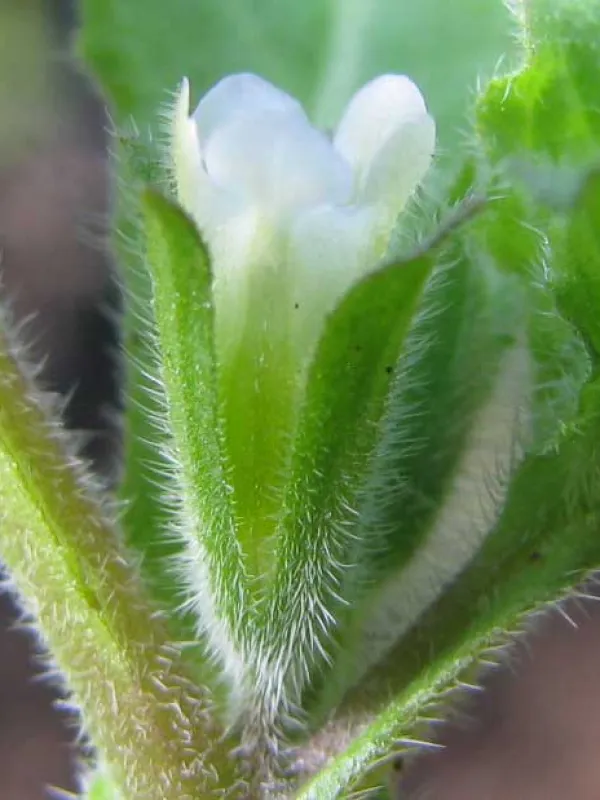
Description
Sowing dates
Sowing Nama jamaicense should be carried out in the spring once the soil temperature is consistently warm and the risk of frost has passed.
Seeds are relatively small and require surface sowing or a very light covering of soil to receive the light exposure necessary for germination.
For professional cultivation, starting seeds in greenhouses or climate-controlled environments ensures a higher survival rate for young seedlings.
The recommended spacing is approximately 25 to 30 centimeters apart to prevent overcrowding and to promote healthy growth of the foliage.
Maintaining consistent moisture levels during the germination phase is critical for achieving a uniform stand of plants in the nursery or field.
Growing requirements
Nama jamaicense, a member of the Hydrophyllaceae family, thrives in well-draining, sandy or loamy soils that prevent water from accumulating around the roots.
As a sun-loving species, it performs best when planted in full exposure to sunlight, which encourages dense growth and prolific flowering cycles.
The plant demonstrates moderate drought tolerance but requires supplemental watering during dry spells to maintain its optimal physiological health.
Soil pH should ideally be neutral, and the addition of organic matter can improve soil structure for better nutrient uptake in poorer substrates.
Being a tropical-origin plant, it is strictly non-frost-hardy and should only be grown in areas where temperatures remain well above freezing.
Main diseases and pests
Root rot is the most significant threat to Nama jamaicense, usually stemming from over-irrigation or soil that lacks proper drainage mechanisms.
Fungal pathogens can flourish in humid, stagnant air conditions, making proper plant spacing a crucial preventative measure for agricultural management.
Aphids and spider mites are common insect pests that may colonize the plants, particularly during periods of high heat and low humidity.
Integrated pest management strategies should focus on biological controls or targeted applications of soaps when infestations are detected early.
Regular inspection of the underside of leaves helps identify pests early, preventing them from causing extensive damage to the plant's photosynthetic system.