
Nama hispidum
Nama hispidum
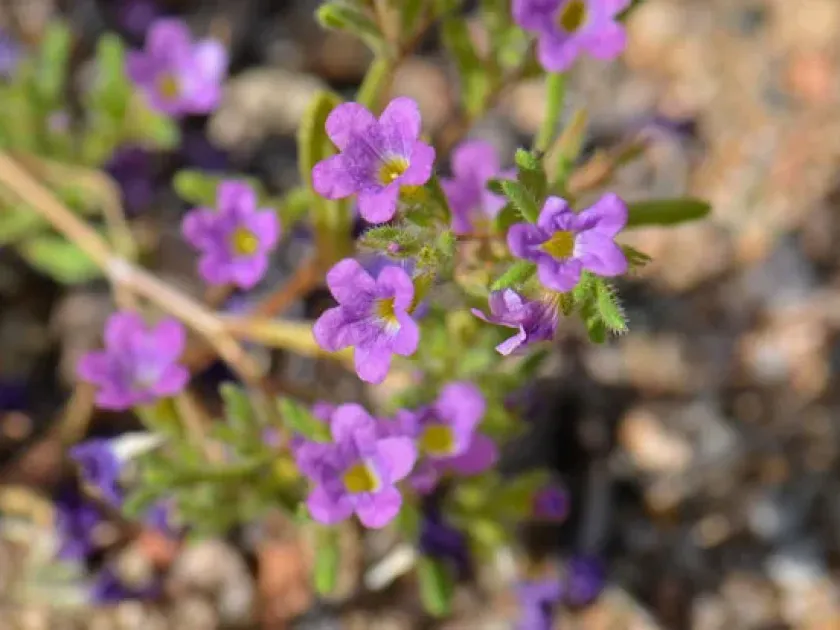
Description
Sowing dates
Nama hispidum is an annual plant that thrives in environments characterized by rapid growth cycles. Sowing is typically performed in late winter or early spring to take full advantage of moisture availability before the peak heat of the season.
Seeds should be sown shallowly, as they require a brief exposure to light and a stable temperature for successful germination. Precise spacing between rows helps in managing the crop density and prevents overcrowding during the flowering stage.
The preparation of the seedbed is essential, ensuring the soil is finely crumbled and free from large clods. Proper seed-to-soil contact is the primary factor determining the uniformity of the emergence of seedlings across the field.
In regions with unpredictable spring weather, it is advisable to protect the newly emerged sprouts from unexpected frost events. Covering the soil with a thin layer of organic mulch can provide the necessary thermal insulation.
The optimal sowing time should align with the regional rainfall pattern to ensure that the plants establish a deep enough root system before the dry season commences.
Growing requirements
Belonging to the Boraginaceae family, Nama hispidum is native to arid and semi-arid regions of North America. It is characterized by its significant resilience to environmental stressors, including intense solar radiation and high temperatures.
The plant requires well-drained soil types, such as sandy loams or gravelly soils, to prevent moisture stagnation. Excessive humidity in the root zone is detrimental and may lead to rapid physiological decline or root decay.
Regarding sunlight, Nama hispidum is an obligate heliophyte, meaning it requires full sun exposure for normal growth and flower induction. Partial shading significantly reduces the biomass production and seed yield of the crop.
Nutrient requirements are relatively low compared to intensive agricultural crops. A balanced application of phosphorus can promote better root development and improve the plant's structural integrity during the growing season.
Temperature management is critical; the plant performs best at moderate to high temperatures. It is highly adapted to diurnal temperature fluctuations, which are common in its natural desert habitats.
Main diseases and pests
The main threats to Nama hispidum involve pathogens that thrive under high-moisture conditions, such as fungal root rots and leaf spots. Proper irrigation management is the most effective preventative measure against these diseases.
Common pests include aphids and generalist leaf-feeding insects, which are often attracted to the lush growth of the plant during the early vegetative stage. Regular scouting is essential to identify the presence of pests before infestation levels peak.
Competition from invasive weeds can be fierce in the early development stages. Mechanical removal of weeds or the application of selective mulching techniques are recommended to maintain the crop's vigor and health.
Soil-borne pathogens like nematodes can cause long-term yield decline if the crop is not rotated with different families. Integrating Nama hispidum into a well-planned crop rotation scheme is vital for sustainable production.
Finally, avoid excessive fertilizing with nitrogen, as this often makes the plant more susceptible to pest colonization and reduces its natural physiological resistance to common environmental stresses.