
Nama dichotomum
Nama dichotomum
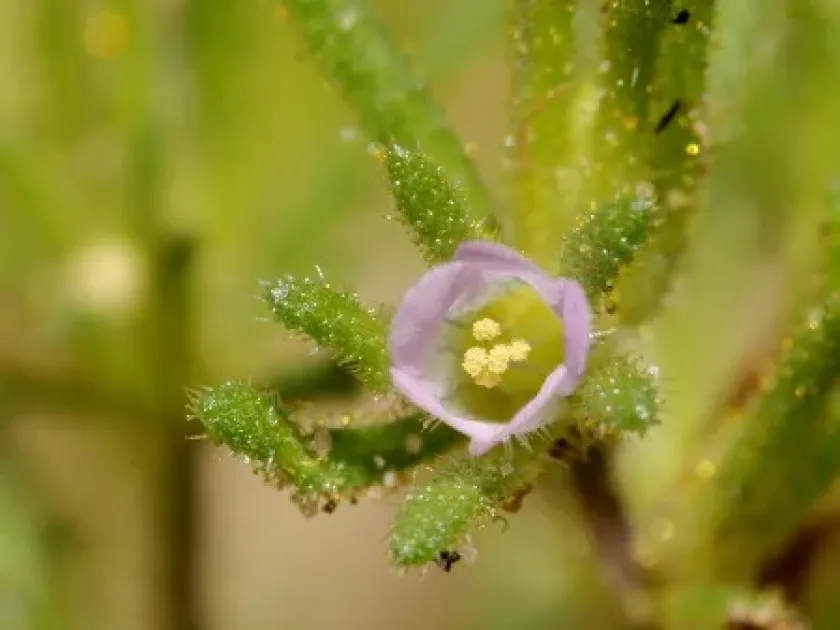
Description
Sowing dates
Nama dichotomum is a member of the Boraginaceae family, typically characterized as an herbaceous annual plant found in arid and semi-arid environments.
Sowing should ideally occur in the spring, once the soil has warmed up, ensuring that the seeds have the best possible start for rapid germination.
The seeds are small and should be sown near the surface, covered lightly with fine soil to maintain moisture without hindering the emergence of seedlings.
Controlled irrigation is vital during the germination phase to ensure consistent moisture, especially if the spring season is particularly dry in the region.
For uniform growth, spacing between plants should be carefully calculated to allow each individual to access adequate light and nutrients during the development stage.
Growing requirements
This species thrives in full sun exposure, requiring ample solar radiation to reach its full development and maintain its structural integrity.
Well-drained, sandy, or loamy soils are essential for this crop, as it is highly susceptible to root damage in heavy, waterlogged clay soils.
The plant demonstrates significant drought tolerance once established, making it suitable for regions with limited rainfall and high summer temperatures.
Soil management practices include regular cultivation to remove competition from weeds, which can easily suppress the growth of this specific species.
Nutrient requirements are generally low, but moderate application of balanced fertilizers during the early growth phase can enhance overall plant vigor.
Yield
The yield potential of Nama dichotomum is closely tied to environmental conditions, particularly the consistency of water and light during the critical growing period.
While not a traditional high-output crop, its biomass production can be significant in favorable arid environments where other species might struggle.
Seed production is the primary focus for propagation, and harvesting must be timed accurately to prevent natural shattering and loss of viable seeds.
Efficiency in collection is improved by using specialized equipment designed for small-seeded crops, ensuring minimal loss during the post-harvest process.
Yield stability is maintained by avoiding stress factors such as soil compaction or extreme fluctuations in temperature throughout the growth cycle.
Main diseases and pests
Diseases are typically associated with excessive humidity, which encourages fungal pathogens to compromise the root system and foliage.
Pests like aphids are common threats, especially when plants are under water or temperature stress, as this makes them more susceptible to infestations.
Preventative measures include maintaining clean cultivation areas, practicing proper crop rotation, and ensuring adequate airflow between individual plants.
Early detection of damage is crucial, as small infestations can spread rapidly if left unchecked in warm and humid microclimates.
Using fungicides or insecticides is a secondary option; preference should always be given to cultural management techniques to maintain long-term soil health.
Harvesting
Harvesting usually involves the manual or mechanical cutting of the plant once it has reached physiological maturity, signaled by the browning of the seed capsules.
Timing the harvest is critical; early harvest results in immature seeds, while delayed harvesting leads to significant losses due to seed shedding.
After cutting, the plant material should be dried in a ventilated area to ensure the seeds reach the optimal moisture content for long-term storage.
Threshing is performed once the plant material is sufficiently dry, followed by winnowing to remove dust, chaff, and other debris from the harvest.
Proper storage in a cool, dry environment ensures the longevity of the seeds, keeping them viable for the following season's planting requirements.