
Myristica maxima
Myristica maxima
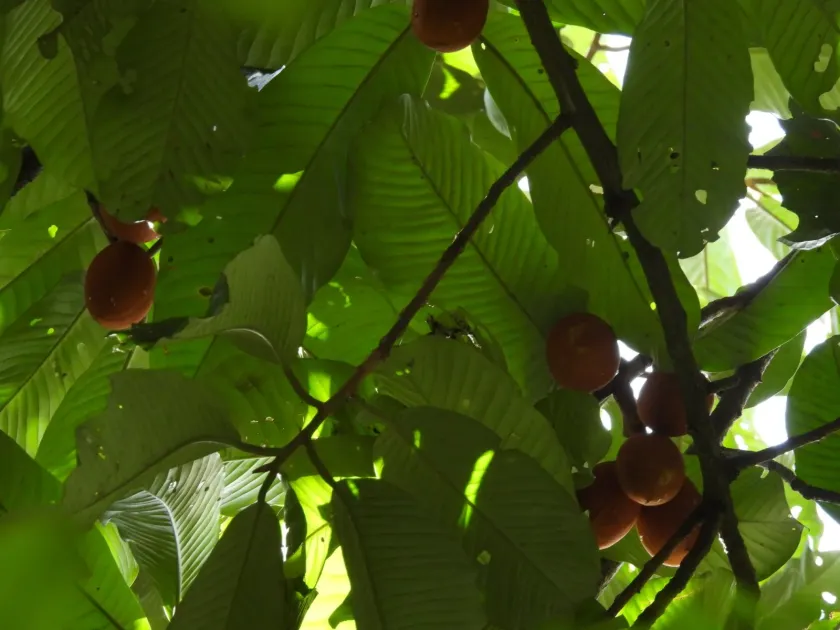
Description
Growing requirements
Myristica maxima is an evergreen tropical tree belonging to the Myristicaceae family. It is a distinctive member of its genus, sharing biological traits with other nutmeg-related species found within the lush rainforests of Southeast Asia.
The plant thrives in equatorial climates where temperatures remain consistently warm throughout the year. It requires a humid environment, making it unsuitable for regions with marked seasonal drought or sudden drops in temperature below 20 degrees Celsius.
Regarding soil conditions, Myristica maxima prefers deep, nutrient-rich, and well-drained loams. Maintaining soil fertility through organic amendments is essential for supporting the long-term growth and productivity of the trees in a plantation setting.
Botanically, the species features dense foliage and a robust root structure that requires ample space to develop. As an ornamental and commercial plant, it contributes to biodiversity in tropical forestry and provides valuable raw materials.
Agricultural use of the tree is primarily focused on the extraction of aromatic oils and the utilization of its dense, durable wood. Its cultivation is primarily localized in tropical zones that mimic its native ecological niche.
Main diseases and pests
Fungal pathogens represent the most significant threat to Myristica maxima, particularly under conditions of poor ventilation or excessive stagnant moisture. Root rot can become a lethal issue if irrigation is not carefully managed.
Pests such as scale insects and mealybugs frequently target the shoots and leaves of the tree. These sap-sucking pests can weaken the plant's structural integrity if left uncontrolled, eventually leading to secondary infections.
Integrated pest management strategies involve regular monitoring and the use of eco-friendly biological control agents. Proper pruning and thinning of the canopy help reduce the humidity around the branches, effectively discouraging fungal outbreaks.
Maintaining high hygiene standards during agricultural operations is crucial to prevent the spread of diseases. Farmers should ensure that tools are cleaned and sanitized between tasks to minimize the risk of contamination.
The overall health of the crop depends heavily on balanced nutrient availability. Adequate fertilization strengthens the tree's natural defense mechanisms against the typical pests and diseases prevalent in its natural habitat.