
Myristica iners
Myristica iners
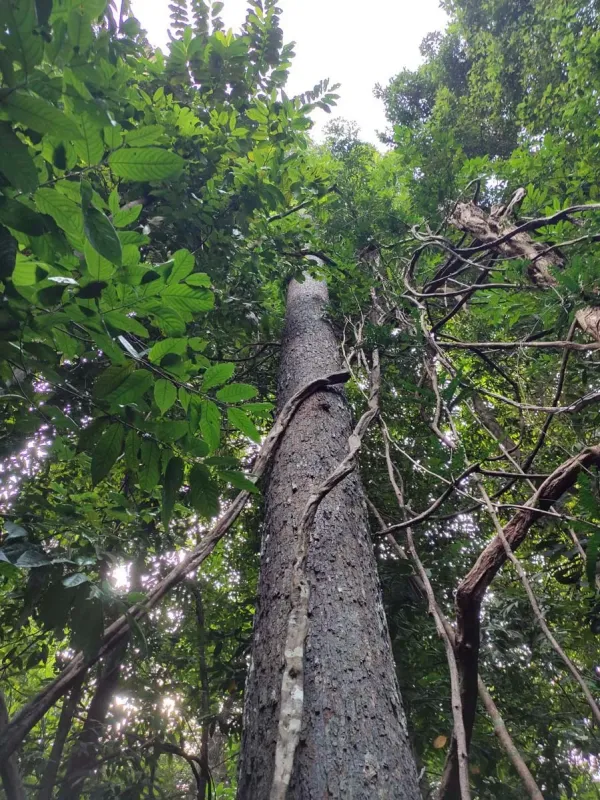
Description
Growing requirements
Myristica iners is a tropical tree belonging to the Myristicaceae family. It is a large, evergreen species typically found in the primary rainforests of Southeast Asia, thriving in humid environments.
The natural range of this species covers regions of Malaysia, Thailand, and Indonesia. It is highly adapted to lowland tropical climates where the temperature remains consistently warm throughout the year.
The crop requires an optimal temperature range of +24°C to +30°C. Maintaining these conditions is vital for the physiological processes and the healthy development of the canopy and fruit-bearing branches.
Soil requirements focus on deep, well-draining, nutrient-rich alluvial soils. Proper drainage is a critical factor for cultivation, as stagnant water in the root zone quickly leads to decay.
In terms of agricultural technique, shade management is paramount during the seedling stage. Young Myristica iners plants are susceptible to intense sunlight and perform best under a canopy or artificial shading.
Yield
The economic value of Myristica iners is derived from its aromatic seeds and timber. While it is a lesser-known species compared to the commercial nutmeg, it remains a significant resource for local traditional medicine and flavoring.
The wood is appreciated in local carpentry due to its durability and resistance to pests, making it a valuable addition to agroforestry projects in the region where the species is endemic.
Yield capacity is dependent on maturity; trees generally start producing seeds after 6–8 years of growth. Sustainable harvest practices ensure the longevity of the tree and consistent fruit production.
Harvesting is labor-intensive and performed by hand as the fruit pods ripen and split open. Immediate post-harvest processing, including drying, is necessary to preserve the quality of the volatile oils.
Yield management requires careful monitoring of tree health, as fluctuations in climate or soil nutrient availability can impact the annual production cycle of the plantation.
Main diseases and pests
The primary threats include root rot pathogens, such as Phytophthora species, which thrive in waterlogged conditions. Preventing overwatering is the most effective way to protect the root system.
Wood-boring beetles represent a significant risk to the trunk and main branches of the tree. Regular inspection and clearing of infested wood are necessary to prevent the spread of these pests.
Leaf-eating insects can cause damage, particularly in younger trees, affecting the rate of photosynthesis. While rarely fatal for mature trees, significant damage should be managed with biological controls.
Weed competition during the early establishment phase is a major challenge. Keeping the base of the tree clean and free of competing vegetation allows for better nutrient uptake.
Due to the sensitivity of the species to certain chemicals, integrated pest management (IPM) strategies are strongly recommended to ensure the health of the trees and the safety of the harvested products.