
Myristica gigantea
Myristica gigantea
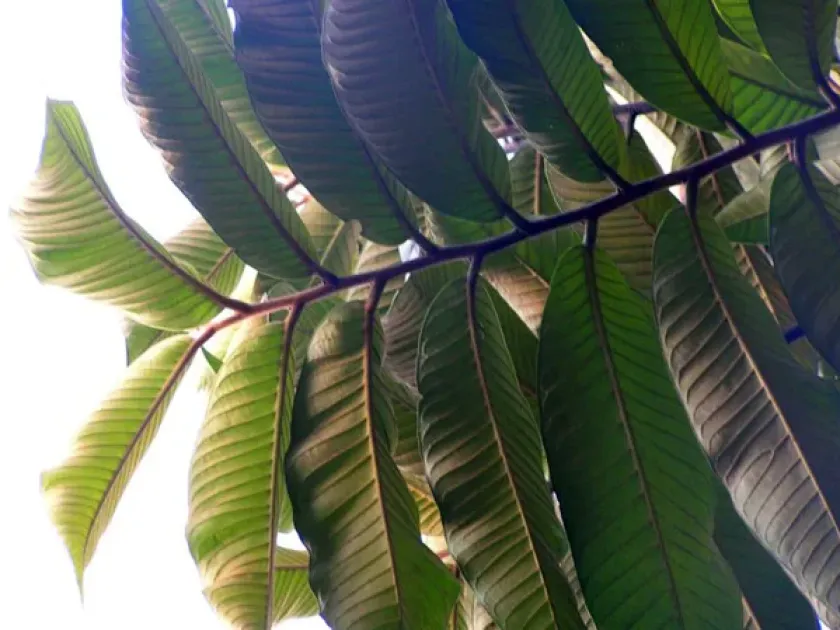
Description
Growing requirements
Myristica gigantea is a notable tree species belonging to the Myristicaceae family. It is naturally found in the tropical rainforests of Southeast Asia, where it reaches considerable heights and contributes to the structural complexity of the forest canopy.
To succeed, this crop requires a tropical climate with minimal temperature fluctuations throughout the year. It thrives in high-humidity environments and is highly sensitive to cold spells, which can cause significant physiological stress.
Soil requirements involve deep, well-draining, and nutrient-rich substrates. Ideally, the soil should maintain a slightly acidic to neutral pH, common in well-drained alluvial tropical forest soils.
Agrotechnical practices focus on early shade management to protect seedlings. As the tree matures, it can tolerate more direct exposure to light, although it remains best adapted to the environmental conditions of the tropical forest understory.
Effective water management is crucial; while the plant loves moisture, stagnant water in the root zone is detrimental. Irrigation systems should ensure that soil moisture is kept constant but not saturated.
Main diseases and pests
Root rot pathogens represent the most significant threat to Myristica gigantea. These fungal diseases typically emerge when drainage is poor or when environmental conditions become excessively damp for long durations.
Wood-boring insects present another major risk, as they compromise the structural integrity of the trunks. These pests can significantly degrade the value of the tree, making regular monitoring essential in forestry.
Foliar pests, including various caterpillars and beetles, frequently target young leaves. While mature trees are more resilient, early-stage outbreaks can hinder growth and weaken the plant's natural defenses.
Proper spacing is a vital preventative measure. By allowing adequate airflow between trees, growers can effectively reduce the risk of localized humidity traps that promote fungal spores and insect breeding.
Environmental stress, such as unseasonal drought, renders the trees more susceptible to secondary infections. Maintaining optimal growth conditions remains the primary strategy for ensuring plant health and longevity.