
Myristica fatua
Myristica fatua
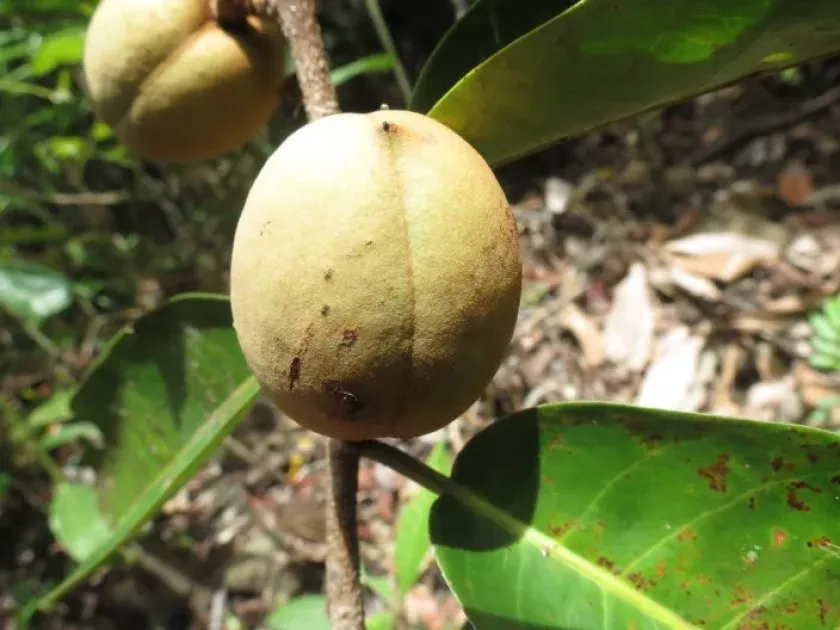
Description
Growing requirements
Myristica fatua is an evergreen tree belonging to the family Myristicaceae. It is closely related to the common nutmeg tree (Myristica fragrans) but possesses distinct characteristics in its fruit morphology and seed structure.
The native range of this species is found in the moist tropical forests of Southeast Asia, specifically in areas such as the Moluccas and New Guinea. The tree thrives in environments characterized by high humidity and consistent tropical temperatures.
Optimal growth requires well-drained, fertile soils rich in organic matter. Myristica fatua does not tolerate waterlogging, which necessitates careful site selection in terms of topography and soil physical properties.
Climatic requirements involve stable tropical conditions where seasonal fluctuations are minimal. In an agricultural setting, the tree requires partial shade during its juvenile stage to protect it from excessive solar radiation.
Botanically, it is a long-lived tree that requires patience from the grower due to its relatively slow development. The management of light exposure and atmospheric humidity is vital for the health of the canopy throughout its lifespan.
Yield
The primary agricultural use of Myristica fatua is the harvest of its seeds and the aril (mace). While the aroma is often considered less pungent than that of the common nutmeg, it remains a commercially significant product in the spice market.
Harvesting is typically performed by hand once the fruits split open naturally, signaling maturity. This delicate process ensures the integrity of the seed and the attached mace, which are both highly valued.
Post-harvest processing involves careful drying of the seeds. This step is critical to prevent microbial growth and ensure the long-term stability of the aromatic oils contained within the nut.
The yield potential of a plantation is influenced by tree age, spacing, and soil fertility management. Mature orchards are capable of providing consistent annual harvests for many years if maintenance is carried out correctly.
The raw materials are utilized in food flavoring, essential oil extraction, and traditional medicinal applications. Efficient post-harvest handling is essential to maintain the quality standards required by international spice markets.
Main diseases and pests
Fungal pathogens represent the most significant threat to Myristica fatua, particularly in regions with excessive rainfall. Root rot can become a catastrophic issue if soil drainage is not properly managed.
Insect pests, such as scale insects and borers, frequently attack the wood and foliage of the trees. These pests weaken the plant structure and can provide pathways for secondary viral or fungal infections.
Sanitary management is a crucial aspect of plantation care. Regular pruning helps to improve air circulation within the canopy, which effectively reduces the humidity levels that favor fungal development.
Nutrient management plays a key role in pest and disease resistance. Healthy trees are significantly more resilient to environmental stress and show lower susceptibility to chronic infestation.
Modern agronomic practices favor an integrated pest management (IPM) approach to minimize the need for synthetic chemical treatments. Continuous monitoring of plant health allows for early detection and intervention.