
Myristica elliptica
Myristica elliptica
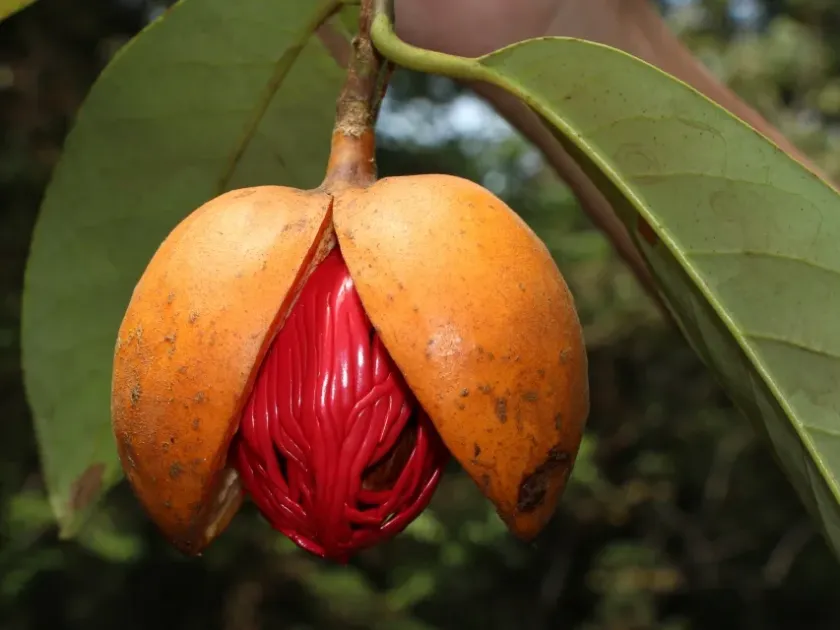
Description
Growing requirements
Myristica elliptica is a prominent member of the Myristicaceae family, native to the tropical forests of Southeast Asia. This evergreen tree is biologically adapted to dense rainforest environments where it thrives as part of the canopy or understory layer.
The climate requirements for this culture are strictly tropical. It demands high, consistent humidity and temperatures that do not drop below the thermal threshold required for metabolism. Frost or cold snaps are fatal to this species, restricting its commercial cultivation to near-equatorial regions.
Regarding soil preferences, the plant requires deep, well-drained, and nutrient-rich substrates. It performs best in soils with high organic content. Proper drainage is the most critical factor, as waterlogging is a primary cause of root system decay and subsequent plant death.
Agronomic practices focus on early-stage shade management. Young trees need protection from direct sunlight to prevent leaf scorching. As the trees reach maturity, the canopy requires minimal pruning to maintain structural integrity and ensure efficient air circulation to prevent moisture buildup.
Economically, the species is valued for its aromatic properties and its timber. The fruits are collected for local spice trade applications, and the essential oils extracted from the seeds are utilized in specialized cosmetic and food processing industries across its native range.
Main diseases and pests
The primary threats to Myristica elliptica involve fungal pathogens such as Phytophthora, which thrive in humid conditions. Leaf blight and root rot can devastate plantations if the soil drainage is not managed correctly or if canopy density is too high.
Insect pests include various wood-boring beetles and sap-sucking insects like scales and mealybugs. Effective management includes canopy thinning to improve airflow and the removal of infected plant material to prevent the spread of infestations throughout the orchard.