
Muscari parviflorum
Muscari parviflorum Desf.
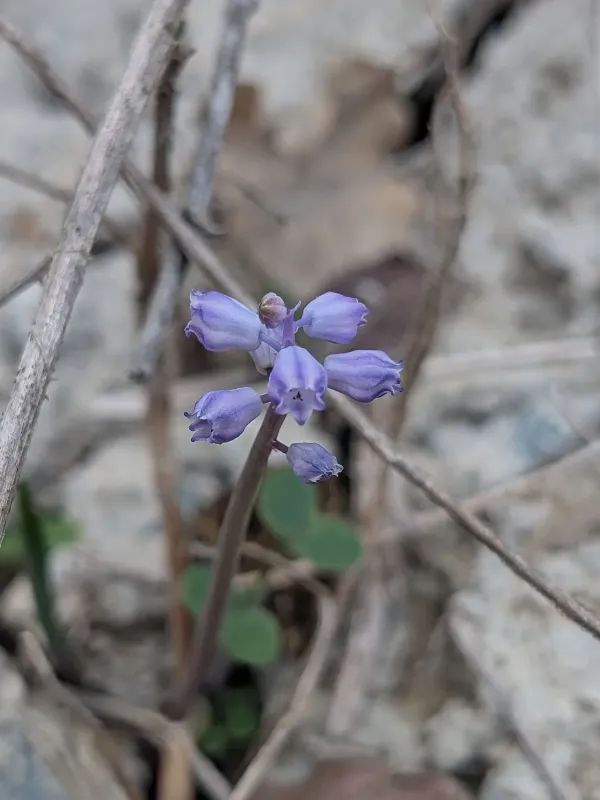
Description
Growing requirements
Muscari parviflorum is an interesting bulbous species belonging to the Asparagaceae family, valued for its delicate inflorescence and unique seasonal dormancy.
Native to the Mediterranean region, this species is well-adapted to rocky, arid habitats where it undergoes a specific rhythm of growth during cooler periods of the year.
From an agronomic perspective, the plant requires excellent drainage to prevent bulb rot, thriving best in gritty or sandy soils that mimic its natural rocky environment.
Sun exposure is a critical factor for this species, as it needs full light during the vegetative stage to accumulate sufficient energy for the subsequent dormant season.
Successful cultivation involves maintaining a strict irrigation schedule: providing moisture during active growth in autumn and winter, while keeping the bulb dry during summer.
Main diseases and pests
The primary threat to Muscari parviflorum includes fungal infections such as Penicillium rot, which often occurs during improper storage or excessive winter moisture.
Pests such as aphids and bulb mites can significantly impact the health of the plant, often causing stunted growth or the transmission of viral pathogens.
Integrated pest management, involving the inspection of bulbs for injuries and the use of insecticidal treatments, is essential for maintaining crop vigor.
Preventative measures against soil-borne pathogens involve ensuring proper site selection and avoiding overly fertile soils rich in organic matter that retain too much water.
If viral symptoms appear, such as leaf streaking or distorted flowers, the affected plants must be removed and destroyed to prevent the spread to healthy bulbs.