
Muscari macrocarpum
Muscari macrocarpum Sweet
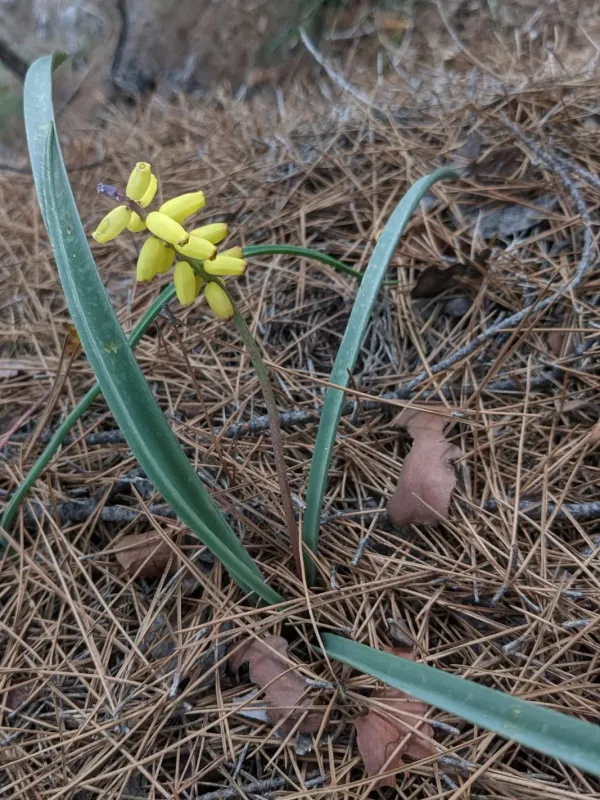
Description
Sowing dates
Planting of Muscari macrocarpum bulbs should occur in late summer or early autumn, typically in September. This timing allows the bulbs to establish a robust root system before the onset of winter dormancy.
The bulbs should be planted at a depth of approximately 8 to 10 centimeters. In lighter, sandy soils, a slightly deeper planting is recommended to insulate the bulbs from fluctuating soil temperatures during colder months.
A spacing of 10–15 centimeters between bulbs is optimal to ensure adequate airflow. Proper spacing is crucial to prevent the spread of soil-borne pathogens and to allow enough room for natural propagation.
For those propagating from seeds, sow them in autumn in a well-drained substrate. Seeds require a cold stratification period to break dormancy and will typically germinate the following spring.
The chosen site must have excellent drainage, as standing water is the primary cause of bulb failure. Raised beds or sloped areas are ideal for replicating the natural rocky habitat of this species.
Growing requirements
Muscari macrocarpum belongs to the Asparagaceae family and is native to the eastern Mediterranean, particularly Crete. It is well-adapted to environments characterized by mild winters and hot, dry summers.
Full sun exposure is a non-negotiable requirement for this species. Insufficient light levels lead to etiolation, weak stems, and a failure of the plant to produce its signature fragrant flowers.
The soil should be neutral to slightly alkaline, gritty, and nutrient-poor. Clay-heavy soils are unsuitable unless amended significantly with sand, gravel, or grit to improve aeration and drainage.
Temperature management is key: the bulbs require a dry, warm dormant period during the summer months. In climates with high summer rainfall, gardeners are advised to lift the bulbs annually.
Fertilization should be handled with caution. Over-fertilizing, especially with nitrogen, results in excessive foliage growth at the expense of floral development and bulb longevity.
Main diseases and pests
Viral infections, such as onion yellow dwarf virus, pose the most significant threat to the health of the plants. Symptoms include leaf streaking and stunted growth; affected plants should be rogued to prevent spread.
Fungal diseases like Botrytis (gray mold) can thrive in poorly ventilated areas with high humidity. Proper sanitation and avoiding overhead irrigation can significantly mitigate the risk of infection.
Pests like aphids are common vectors for viruses. Regular monitoring during the active growing season allows for early intervention, preventing the establishment of large colonies that stress the plant.
Bulb mites can damage the basal plate of the bulb, creating entry points for secondary fungal rots. Using clean, disease-free stock is the most effective way to prevent these infestations.
Good agricultural practices, such as crop rotation and the use of fungicide-treated bulbs during planting, provide the best defense against persistent soil-borne pathogens.
Harvesting
Harvesting or lifting bulbs should only be performed once the foliage has naturally turned yellow and withered. This process ensures that the bulb has successfully stored energy for the next growing cycle.
After lifting, clean the bulbs by removing excess soil and old outer tunics. Allow them to air-dry in a cool, shaded area with plenty of ventilation, ensuring that no direct sunlight hits the bulb surface.
Store the harvested bulbs in a dry environment at room temperature, ideally between 18–20°C. Using mesh bags or shallow trays helps maintain constant airflow and prevents the buildup of moisture.
During the storage period, inspect the bulbs regularly for any signs of softening or mold. Removing compromised bulbs immediately protects the rest of the collection from total loss.
Division of offset bulbs should be done gently when the bulbs are dry. Dusting the separation points with charcoal or fungicide helps prevent infection and promotes faster healing of the tissue.