
Muscari massayanum
Muscari massayanum Grunert
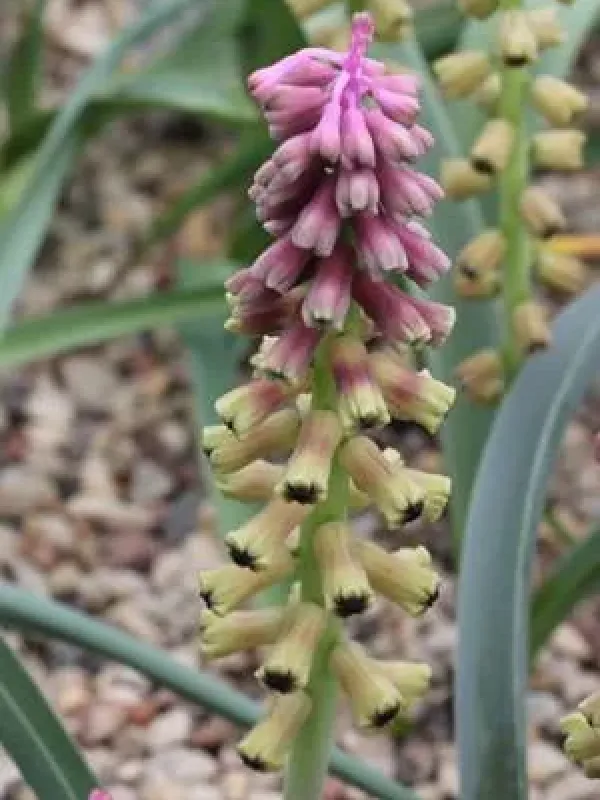
Description
Growing requirements
Muscari massayanum is a rare bulbous species belonging to the Asparagaceae family. Originating from the mountainous terrains of Turkey, it is adapted to rocky soils and high-drainage environments, which serves as a key guideline for its successful cultivation in garden settings.
The crop thrives in loose, permeable, and nutrient-rich soil. It is crucial to maintain a neutral or slightly alkaline pH and ensure that the site is well-drained, as excessive soil moisture is the primary cause of bulb rot and developmental failure in this species.
Exposure to full sunlight is essential for Muscari massayanum to produce its characteristic flower spikes. Partial shade can be tolerated in extremely hot regions, but constant light is required for the plant to store enough energy in the bulb for the subsequent growing season.
This plant is moderately hardy and prefers a continental climate with distinct seasonal shifts. It requires a cool dormant period during the summer months to initiate successful flowering, making it unsuitable for tropical or extremely humid lowland regions without special handling.
Maintenance should focus on moisture management, providing consistent water during the spring growth phase and ensuring a completely dry environment once the foliage begins to wither. Proper aeration of the soil via light hoeing is recommended to encourage healthy root respiration.
Main diseases and pests
Fungal pathogens represent the most significant threat, particularly gray mold and soft rot. These diseases typically flourish in environments with poor air circulation or over-saturation of the soil, requiring immediate removal of infected bulb tissues.
Aphids are frequent pests that damage foliage and act as vectors for viral diseases such as mosaic virus. Regular monitoring and the application of mild insecticidal soaps are usually effective in controlling infestations before they spread to healthy clusters.
Bulb mites can cause significant damage by feeding on the base of the bulb, which weakens the plant significantly. Preventive measures include dipping bulbs in appropriate solutions before planting and maintaining a strict hygiene policy in the cultivation area.
Slugs and snails may attack young growth, particularly during wet spring weather. Protecting the crop with physical barriers or non-toxic baits is a common horticultural practice to prevent aesthetic damage to the leaves and developing spikes.
Viral infections cause stunted growth and yellow streaking on the leaves. Since there is no effective treatment for infected plants, quarantine and destruction of affected specimens are the only ways to protect the rest of the collection from total loss.