
Grape hyacinth
Muscari botryoides (L.) Mill.
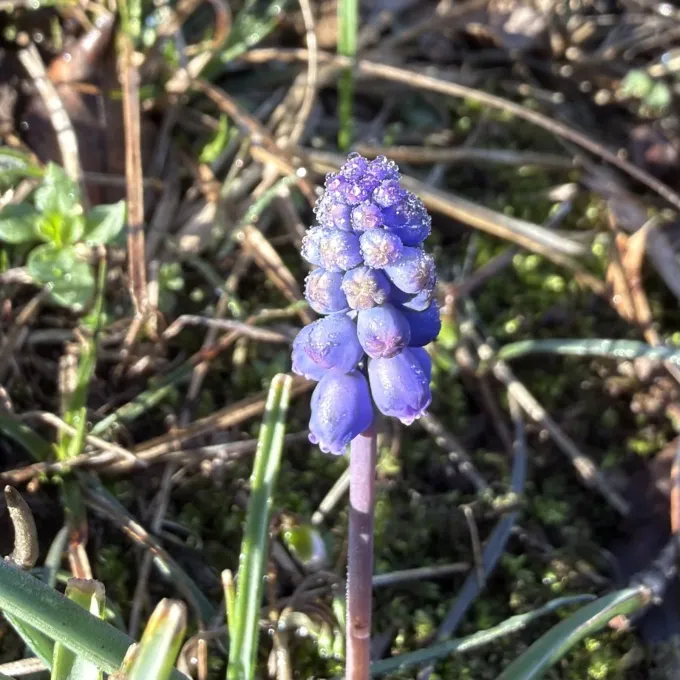
Description
Sowing dates
Planting of Muscari botryoides bulbs is ideally performed in early autumn, several weeks before the ground freezes. This timing allows the bulb to establish a healthy root system, which is crucial for optimal development and early spring flowering.
The planting depth should be approximately 6 to 8 centimeters, depending on the bulb size. Spacing is flexible, but a distance of 5 to 10 centimeters between bulbs is recommended to create a dense, naturalized look while ensuring adequate air circulation.
Choose a location that receives full sun or partial shade. These plants thrive under the canopy of deciduous trees because they bloom before the trees fully leaf out, effectively utilizing the sunlight when it is most abundant in the spring.
If spring planting is necessary, use bulbs that have been stored in a cool place and plant them as soon as the soil is workable. While spring planting may result in a shorter flowering season in the first year, the plants will usually stabilize in subsequent seasons.
Propagation is primarily achieved through the division of offsets or daughter bulbs. Gardeners should lift and divide the bulb clusters every few years to prevent overcrowding, which can otherwise lead to a decrease in flower size and overall plant vigor.
Growing requirements
Grape hyacinth belongs to the Asparagaceae family and is known for its high adaptability. It performs best in loose, well-draining soil with a neutral to slightly acidic pH, as poor drainage is the most common cause of bulb rot in this species.
This species is highly cold-hardy and requires a winter dormancy period with cool temperatures to trigger successful spring blooming. In regions with severe winters, a light mulch layer can provide extra protection against extreme temperature fluctuations.
Moisture requirements are highest during the active growing phase in early spring. Once flowering is complete and the foliage begins to wither, it is beneficial to allow the soil to dry out, mimicking the natural conditions of its native habitat.
Regular fertilization is not strictly required but can improve bloom quality. A balanced, slow-release fertilizer applied in early spring as shoots emerge will support the plant's energy requirements for a vibrant and long-lasting display of flowers.
The plant is highly effective in naturalized landscapes, rock gardens, and container plantings. Its robust nature makes it an excellent choice for low-maintenance garden designs where it can spread naturally to form dense, colorful carpets.
Main diseases and pests
The most significant disease threat is the mosaic virus, which causes stunted growth, leaf streaking, and distorted flower spikes. There is no cure for this viral infection, so affected plants must be removed and destroyed to prevent spreading to healthy clusters.
Fungal issues such as penicillium rot can occur if bulbs are stored improperly or planted in overly wet soil. Ensuring adequate soil aeration and choosing sites that do not collect standing water are the primary preventative measures against these pathogens.
Small rodents and voles can be attracted to the bulbs during the winter months. Using wire mesh cages or planting in designated areas can help protect the bulbs from being consumed by these common garden pests throughout the dormant season.
Bulb mites can infest damaged or weakened bulbs, causing them to decay from the inside out. Inspecting bulbs before planting and discarding any that appear soft or damaged is a vital practice for maintaining a healthy and disease-free garden bed.
Aphids occasionally colonize the flower spikes during warm, dry spells. If infestations become severe, simple insecticidal soaps or neem oil can be used to manage the population without causing long-term harm to the plant or the surrounding environment.