
Monvillea spegazzinii
Monvillea spegazzinii
Description
Growing requirements
Monvillea spegazzinii, currently recognized under the genus Acanthocereus, is a fascinating member of the Cactaceae family. This species originates from the tropical regions of South America, including Paraguay, Argentina, and Uruguay, where it thrives in diverse habitats.
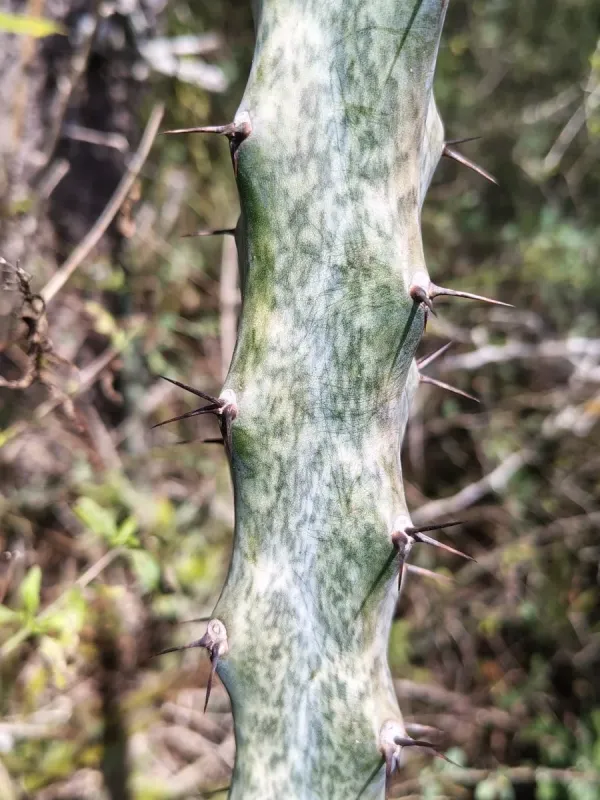
The plant is characterized by its slender, scrambling, or vining stems that feature a distinctive grey-green or marbled coloration. These stems often exhibit three to four prominent ribs, contributing to the unique architectural appeal of the specimen.
Cultivation requires bright, indirect sunlight to maintain the plant's health and vibrant stem color. A well-draining soil mix is critical, typically composed of peat, coarse sand, and perlite to ensure optimal airflow to the root system.
Temperature management is essential, as the species prefers warm conditions between 20°C and 28°C during the growing season. A cooling-off period during the winter months is necessary to encourage seasonal dormancy and future flowering.
Economically, this species is highly valued in the nursery and interior landscaping trade. It is particularly popular among collectors who appreciate its night-blooming flowers and the structural beauty of its long, slender stems.
Main diseases and pests
The primary health risk for Monvillea spegazzinii is root rot, caused by excessive soil moisture and poor drainage practices, which can lead to rapid decay of the vascular tissues.
Pest pressures frequently include mealybugs, which lodge in the stem ribs and crevices, requiring manual removal or systemic pesticide treatment to control effectively.
Spider mites represent a significant threat in low-humidity environments, leading to the yellowing and scarring of the cactus epidermis over time.
Integrated pest management should include routine sanitation of the growing area and consistent monitoring for early signs of infestation to prevent mass outbreaks.
Proper ventilation is a key preventive measure, helping to reduce the risk of fungal infections and maintaining the overall vigor of the plant throughout its life cycle.