
Monvillea phatnosperma
Monvillea phatnosperma
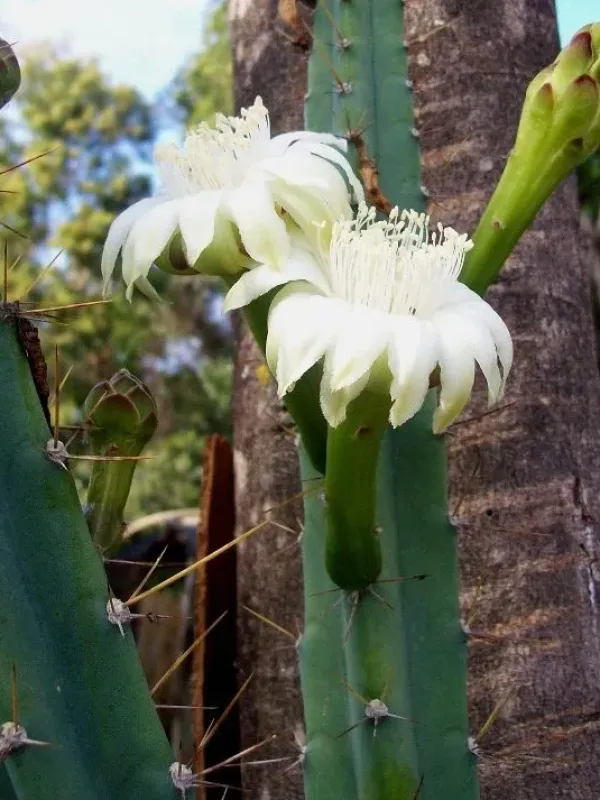
Description
Growing requirements
Monvillea phatnosperma is a succulent species belonging to the family Cactaceae. This perennial plant is recognized for its slender, cylindrical stems and its ability to thrive in specialized arid environments, making it a subject of interest for cactus enthusiasts.
Native to South America, specifically regions in Brazil and Paraguay, the plant has adapted to rocky soils and high light exposure. In cultivation, it requires conditions that mimic its natural habitat, emphasizing bright, indirect to direct sunlight and high porosity in the growing medium.
A successful cultivation strategy involves using a well-draining cactus substrate that prevents water stagnation around the root zone. Ensuring excellent drainage is critical to the longevity of the plant, as stagnant moisture is the primary cause of root failure.
The plant requires a seasonal temperature regime to thrive. During the active growing season, warm conditions are preferred, while the dormant winter period requires lower temperatures and almost total cessation of watering to prevent stress and promote proper development.
The primary use of Monvillea phatnosperma is within ornamental horticulture and cactus collections. Its unique structural properties and relative rarity make it a prized specimen for greenhouse cultivation, where it can reach its full morphological potential.
Main diseases and pests
The most significant threat to Monvillea phatnosperma is fungal infection caused by improper watering practices. Root rot, caused by consistently moist soil, is a primary challenge for growers, often leading to rapid decline of the specimen.
Pests such as mealybugs and spider mites are known to infest the stems, particularly in the protected environment of greenhouses. These pests feed on the plant sap, causing unsightly scarring and general decline in vitality if left unchecked.
Integrated pest management, including regular inspection and the use of targeted insecticides, is recommended to manage infestations. Ensuring that the plant is not under environmental stress, such as extreme heat or poor ventilation, helps maintain its natural resistance.
Poor ventilation can lead to the accumulation of moisture on the skin of the cactus, which may encourage the growth of mold or other bacterial pathogens. Proper air circulation is a fundamental aspect of maintaining healthy succulent tissue.
Preventive maintenance, including repotting into fresh, sterile substrate periodically, is essential for long-term health. Monitoring for early signs of disease allows for intervention before the infection reaches the vascular system of the cactus.