
Microstegium vagans
Microstegium vagans
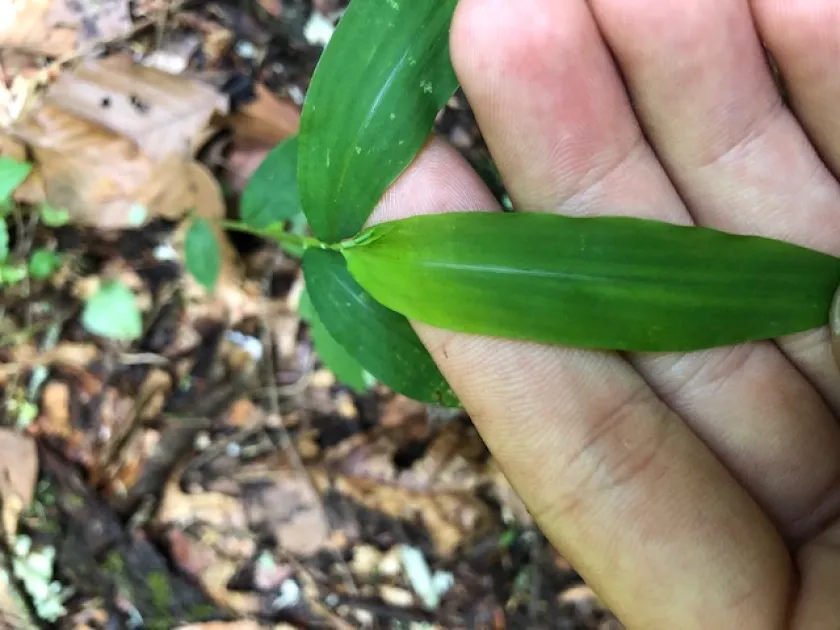
Description
Sowing dates
Microstegium vagans is a member of the Poaceae family. This perennial grass species is recognized for its adaptability and robust growth patterns in various environmental conditions.
The optimal sowing time is during the early spring season, ensuring that the soil temperature is consistently above 10 degrees Celsius for better germination.
Seeds should be planted at a shallow depth of approximately 1 to 2 centimeters to provide the necessary conditions for successful root development and establishment.
Achieving good soil-to-seed contact is essential for uniform emergence, which is a critical factor in determining the density of the final sward.
Vegetative propagation can also be employed by planting rhizome segments, which should be spaced evenly in prepared soil to allow for rapid expansion and cover.
Growing requirements
This crop thrives in fertile, well-draining soils with moisture-retentive properties, although it shows reasonable tolerance to diverse soil textures.
The ideal soil pH for cultivation ranges from slightly acidic to neutral, promoting optimal nutrient uptake and long-term health of the root system.
As a light-demanding species, it requires locations with full solar exposure to maximize photosynthetic activity and overall vegetative growth rates.
Adequate water supply is crucial, especially during the peak growing season, to prevent stunted development and ensure high quality biomass production.
The application of balanced fertilizers, particularly nitrogen-based supplements, significantly enhances the tillering capacity and vigor of the plants.
Yield
The yield potential of Microstegium vagans is largely dependent on the management practices, including irrigation, fertilization, and the timing of harvests.
With proper care and environmental conditions, the crop can support multiple harvests within a single growing season, providing a steady supply of biomass.
Productivity is maintained by allowing the plants to recover sufficiently between cuts, which preserves the vitality of the rhizomes for the next regrowth cycle.
Yields can typically reach 1.5 to 3 metric tons of dry matter per hectare when cultivated under favorable agrotechnical conditions.
Consistent monitoring and precise fertilizer application after each cut can substantially boost long-term yield projections over several years of production.
Main diseases and pests
While generally hardy, the crop may be susceptible to powdery mildew or other fungal pathogens if conditions are excessively humid or if ventilation is poor.
Common pests, including aphids and various grass-feeding insects, can impact plant health if their populations are not monitored and managed early on.
Integrated pest management strategies, such as crop rotation and encouraging beneficial insects, are recommended to minimize reliance on synthetic pesticides.
Maintaining appropriate plant spacing is essential to reduce the likelihood of disease transmission and to keep the microclimate within the sward healthy.
Early identification of pest outbreaks allows for timely intervention, protecting the overall yield from significant quality degradation or biomass loss.
Harvesting
The harvest should ideally occur at the onset of the flowering stage, which ensures the highest concentration of digestible nutrients in the vegetative material.
Standard mowing equipment should be adjusted to leave a stubble height of 5 to 7 centimeters, which protects the growth points and facilitates fast recovery.
Post-harvest processing involves immediate drying or rapid transport to processing facilities to prevent nutrient loss due to respiration and chemical degradation.
Quality control during the harvest process is vital to ensure that the material remains free of debris and contaminants that could affect feed quality.
Post-harvest maintenance of the field, including light harrowing to remove dead organic matter, stimulates renewed growth for subsequent cuts.