
Microsorum scandens
Microsorum scandens
Description
Growing requirements
Microsorum scandens is an epiphytic fern species belonging to the Polypodiaceae family. Native to the lush regions of New Zealand and surrounding Pacific islands, this plant has evolved to thrive in shaded, moist forest environments where it climbs on mossy rocks and tree trunks.
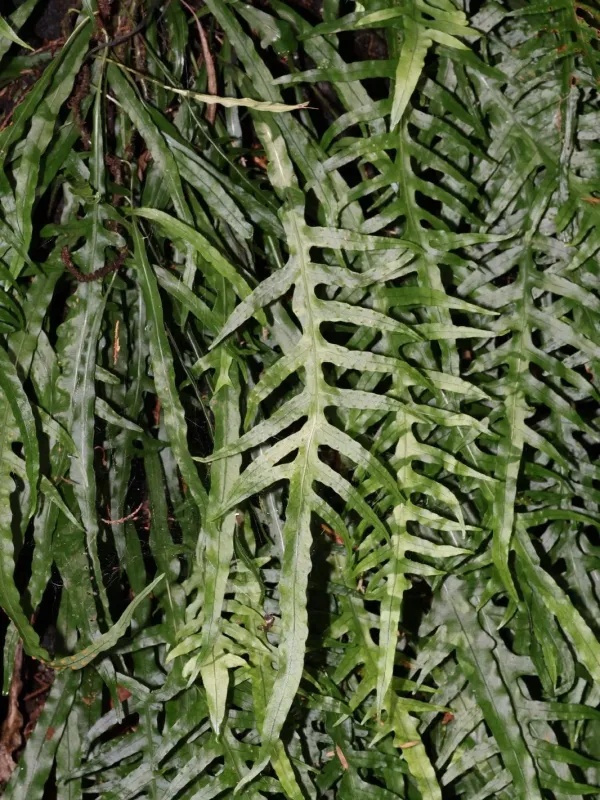
The plant is botanically characterized by its creeping rhizome, which is densely covered in brown scales. The fronds are elongated, leathery in texture, and possess a unique dark green hue, which is a classic adaptation for efficient photosynthesis in low-light forest understory conditions.
Cultivation requires specific environmental parameters to mimic its native habitat. The ideal temperature range for this fern is between 18°C and 24°C. It is particularly sensitive to sudden fluctuations, which can lead to premature leaf drop or browning of the frond margins.
Regarding soil, the medium must be highly porous and well-draining. A typical mix includes perlite, high-quality peat moss, and orchid bark, providing the necessary aeration for the rhizome to remain healthy without being constantly waterlogged or prone to anaerobic decay.
Humidity is perhaps the most critical factor in successful management. The species thrives when ambient humidity levels are maintained at 60% or higher. In professional nurseries, this is often achieved through automated misting systems or by placing the pots on moisture-retentive trays.
Main diseases and pests
Root rot is the primary physiological threat caused by poor agricultural practices. When the growing medium lacks drainage or is kept excessively saturated at cool temperatures, the rhizome system is quickly compromised by soil-borne pathogens like Pythium or Phytophthora.
Scale insects are the most persistent pests for this fern. They create protective waxy covers that make them resistant to standard contact treatments. These insects typically aggregate along the veins on the underside of the fronds, sapping the plant of essential nutrients.
Spider mites represent a significant threat during periods of low humidity. The first symptoms of infestation are tiny chlorotic spots on the upper leaf surface, eventually followed by the appearance of fine webbing, which severely impairs the plant's aesthetic and biological functions.
Integrated pest management involves regular monitoring and manual removal of infested fronds in the early stages of an outbreak. Maintaining cleanliness around the cultivation area reduces the likelihood of spreading these pests between different crops in the facility.
Chemical control should be employed only as a last resort. Because ferns have delicate tissue, it is essential to perform a sensitivity test on a small portion of the plant before applying any broad-spectrum insecticide to the entire collection to prevent potential chemical burn.