
Microsorum heterophyllum
Microsorum heterophyllum
Description
Growing requirements
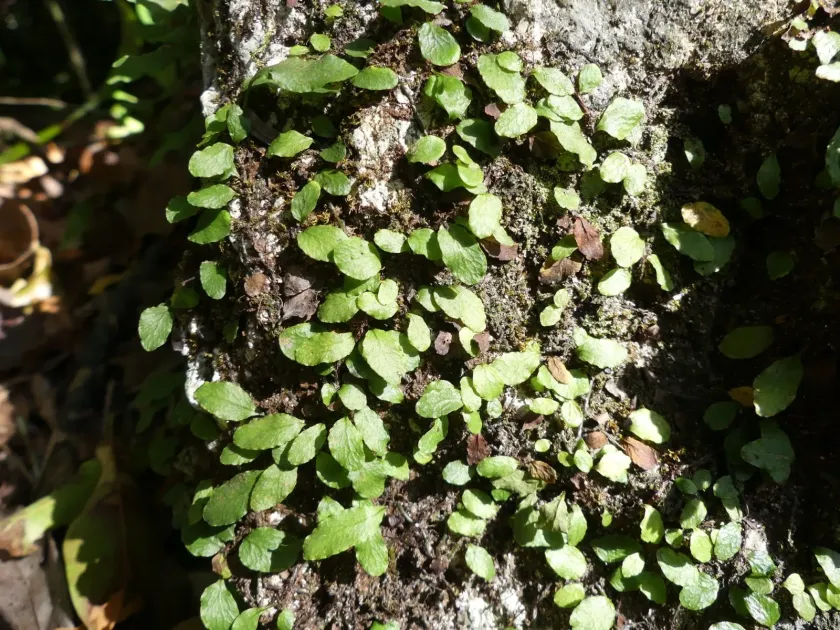
Microsorum heterophyllum is a botanical species belonging to the Polypodiaceae family. It is a distinctive epiphytic fern native to the tropical regions of Southeast Asia, where it predominantly grows in shaded, humid forest environments, adhering to tree trunks or rocky substrates.
The climatic requirements for this species are specific, demanding high levels of relative humidity, ideally between 60% and 80%. This culture thrives in locations with stable temperatures between 18°C and 25°C, as extreme fluctuations can cause significant physiological stress to the delicate foliage.
Soil management for this plant involves using an open, aerated medium that mimics natural epiphytic conditions. A suitable substrate blend typically consists of milled pine bark, long-fiber sphagnum moss, and a small percentage of peat to maintain the necessary moisture-retention properties without compaction.
Proper light management is essential, as this fern is adapted to low-light conditions found in the tropical forest understory. It should be grown in indirect, diffused light to ensure healthy chlorophyll development and to prevent leaf scorching that often occurs under direct sunlight exposure.
Cultural practices include consistent watering with softened or filtered water, as the species is sensitive to chlorine and mineral salts. Maintaining a consistent moisture level in the root zone is vital, although adequate drainage must be provided to prevent the accumulation of stagnant water.
Main diseases and pests
Common pests affecting Microsorum heterophyllum include scale insects and spider mites, particularly when ambient humidity drops below recommended levels. Integrated pest management, including regular sanitation and the use of insecticidal soaps, is effective in keeping populations under control.
Fungal pathogens represent the most significant threat, often induced by overwatering and poor air circulation in the growing space. Preventive measures include regular thinning of overcrowded plantings and ensuring that the foliage dries out sufficiently after any overhead irrigation or misting events.